
How to Use Guys with Secret Tips
2013
No user ratings available yet
Representation score: 4.6 out of 10
Representation Score
Limited
2019
Director
Lee Jang-hee
Runtime
100 minutes
Average Rating
No ratings yetNew Showbiz Analysis
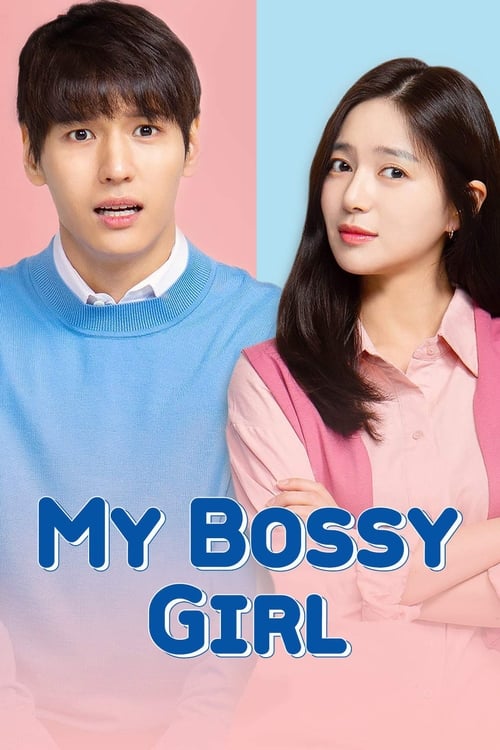
My Bossy Girl operates as a traditional romantic comedy that adheres closely to established genre conventions. While it slightly inverts gendered power dynamics, it remains largely within the confines of a culturally singular perspective. The film provides a standard genre experience, offering a modest subversion of traditional gender roles but lacking broader representation across other identity markers.
Category Breakdown
The story focuses on a heterosexual relationship between the male and female leads, without addressing non-cisgender identities or critiques of the assumption that everyone is straight or cisgender.
Hye-jin disrupts traditional gender roles by being the aggressive pursuer against the timid Hwi-so, providing a moderate subversion of standard romantic comedy clichés.
The film reflects a culturally homogeneous context typical of South Korean regional productions, without utilizing diverse ethnic casting to challenge the status quo.
The narrative follows standard social milestones of university life and romantic partnerships, operating within conventional expectations of contemporary collegiate culture without deconstructing traditional institutions.
There are no visible or invisible disabilities portrayed as central to the character arcs or the plot progression.
Present on Screen
Limited or Absent
Official Synopsis
One day, during a university festival where people are often known to find a partner, the 3 incredibly single members of the robot club decide to attend. There the sloppy and timid Hwi-so meets a very aggressive girl by the name of Hye-jin. His romantic advances, which he learned through reading books and watching YouTube, finally wake up to make their move. But will two finally become one this fall?
2013
2002
2019

2016

2015
2022

2009

2010
No reviews yet. Be the first to share your thoughts on this movie!
Use the rating form above to leave a star rating and optional review.