Nightmares in Red, White and Blue
2009
No user ratings available yet
Representation score: 4.5 out of 10
Representation Score
Fair
2014
Not RatedDirector
Nicolas Kleiman, Rob Lindsay
Runtime
81 minutes
Average Rating
No ratings yetNew Showbiz Analysis
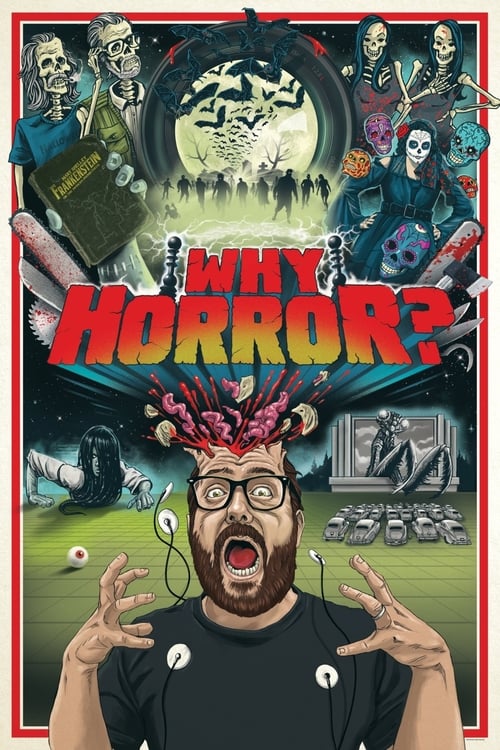
Why Horror? functions as a specialized study of genre psychology rather than a vehicle for identity-based narrative subversion. Its primary value lies in its global ambition, which challenges the tendency of horror analysis to remain centered on Western cinematic traditions. The film approaches human experience through a postmodern lens, focusing on the universal and subjective nature of fear. While it does not explicitly target identity politics, its interest in how different cultures process terror provides a baseline for cross-cultural representation. Ultimately, the documentary succeeds as a psychological inquiry. It moves away from singular moralities to explore how instinct and culture intersect in our response to the supernatural.
Category Breakdown
The film adopts a neutral stance towards identity, focusing on universal psychological triggers rather than specific LGBTQ+ identities or critiques of the assumption that everyone is straight or cisgender.
The documentary looks at the mechanics of fear and horror clichés. It provides space for various voices but does not explicitly prioritize the deconstruction of gender hierarchies or traditional roles.
The film aims for a globalized perspective by examining horror around the world. This international scope suggests an intent to move beyond Anglo-centric views of the genre.
By analyzing how different cultures interpret the unknown, the film explores the subjective nature of fear. It offers a nuanced look at how various cultural norms shape our taboos.
There is no evidence of specific portrayals regarding neurodivergence or physical disabilities. The focus remains on general psychological phenomena rather than lived experiences of disability.
Present on Screen
Limited or Absent
Official Synopsis
Horror fan Tal Zimerman examines the psychology of horror around the world to find out why people love to be scared.
2009
2019
2017

2015

2012
2011

2010
2000
No reviews yet. Be the first to share your thoughts on this movie!
Use the rating form above to leave a star rating and optional review.