
Chevrotine
2022
No user ratings available yet
Diversity score: 5.4 out of 10
2020
Director
Jan Hřebejk
Runtime
90 minutes
Average Rating
No ratings yetSynopsis
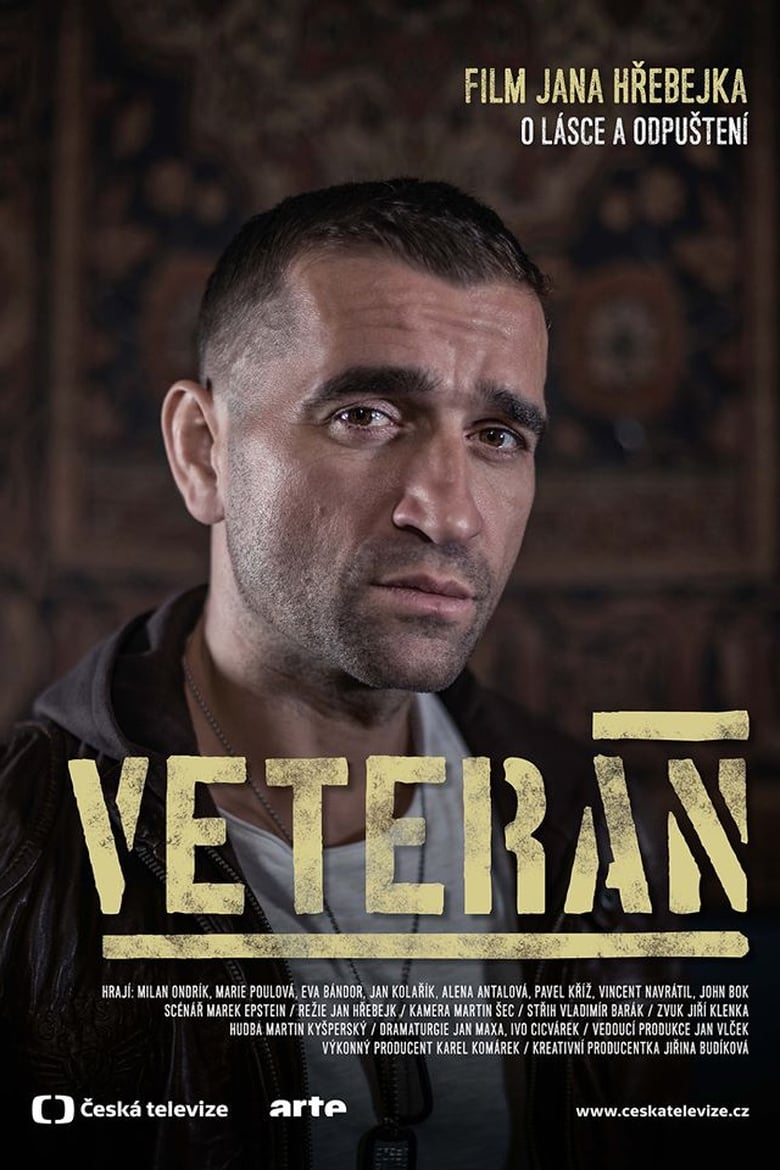
Old guilt, forgiveness and a new love. After 20 years in the French Foreign Legion, Martin returns to his Czech hometown. As soon as he arrives, he learns that his mother has died in his absence. Martin realizes that while in the military he learned to survive in any dangerous situation, but not how to cope with the complexities of human emotions and relationships. When he meets the deputy mayor's clever daughter Sara, he falls passionately in love and happiness seems to be within reach. But then his past catches up with him ...
Overall Score
Limited
Category Breakdown
LGBTQ+ Representation
The film lacks explicit LGBTQ+ characters or non-heteronormative identities. The central romantic arc is a traditional heterosexual connection between Martin and Sara, with no visible queer-coded subtext.
Gender Representation
The narrative architecture centers on male camaraderie and the shared experiences of aging men. While Sara displays intellectual agency, the focus remains on male-centric social circles and psychological burdens.
Racial & Ethnic Diversity
The cast is predominantly white, reflecting the specific demographic of the Czech elderly population. The setting's homogeneity serves a localized study of post-communist identity and regional experience.
Religious & Cultural Diversity
The film offers a sophisticated critique of the transition from socialism to capitalism. It highlights how rapid economic shifts have marginalized older generations, reclaiming their agency against a system that renders them obsolete.
Disability Representation
There is no central depiction of physical or neurodivergent disabilities. Instead, the film explores invisible psychological trauma and the lingering effects of living under a totalitarian regime.
Strengths
Areas for Improvement
AI Analysis
Veterán is a demographically traditional film that prioritizes systemic critique over demographic variety. It focuses heavily on the psychological scars of the Czech post-communist transition and the social isolation of the elderly. While the film lacks representation in terms of race, gender, and LGBTQ+ identities, it excels in cultural depth. It challenges the perceived progress of modern capitalism by centering on those marginalized by rapid political and economic shifts. Ultimately, the work trades broad demographic inclusivity for a nuanced, intellectually engaged exploration of historical memory and the human cost of political transitions.
No reviews yet. Be the first to share your thoughts on this movie!
Use the rating form above to leave a star rating and optional review.