I Before Thee
2018
No user ratings available yet
Representation score: 1.9 out of 10
Representation Score
Limited
2009
PGDirector
Greg Robbins
Runtime
89 minutes
Average Rating
No ratings yetNew Showbiz Analysis
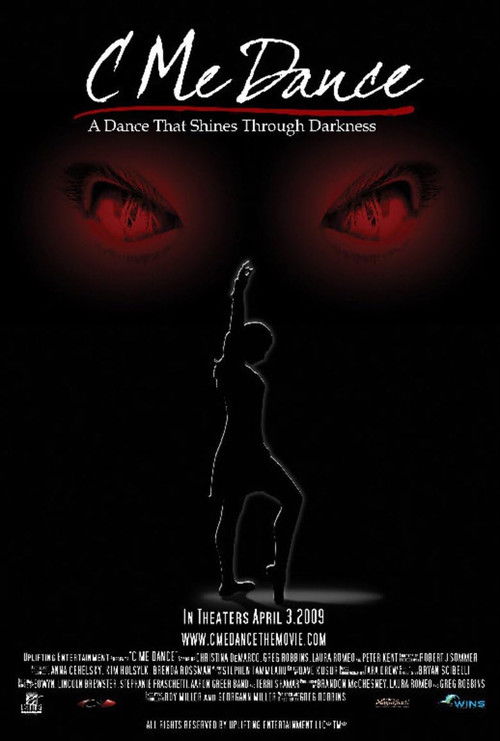
C Me Dance is a character-driven spiritual drama that follows conventional narrative structures. It focuses on a traditional conflict between faith and the supernatural, emphasizing established religious morality over sociopolitical commentary. The film centers on a female protagonist, yet her role is often tied to her illness and her relationship with her father. This creates a traditional hierarchy that limits her independence. Overall, the work lacks complexity in representing diverse identities. By relying on traditional religious clichés and family roles, it misses opportunities to explore a wider range of perspectives.
Category Breakdown
The film does not include any LGBTQ+ characters or narratives that question the assumption that everyone is straight or cisgender. The story revolves around a traditional father-daughter relationship and a single spiritual journey focused on Christian beliefs.
Sherri is a key female character who plays a significant role in driving the story. However, her storyline is heavily influenced by her physical vulnerability and her dependence on patriarchal figures and spiritual guidance.
There is no explicit evidence of multi-ethnic casting or diverse racial identities. While set in Los Angeles, the narrative lacks visible characters who reflect more than one aspect of diversity.
The plot is centered on traditional Western religious institutions and Christian morality. It presents conflict through a simple good versus evil dichotomy rather than exploring secular viewpoints.
The film addresses terminal illness as a central theme. However, it may risk using the protagonist’s condition as a supernatural plot device rather than delving into the nuanced experiences of living with a disability.
Present on Screen
Limited or Absent
Official Synopsis
Shortly after discovering that her dream of joining the Los Angeles Ballet has come true, 17-year-old Sherri (Christina DeMarco) receives a devastating report from her doctor: she's dying of cancer, and her days among the living are numbered. Falling back on their faith, Sherri and her father, Vince (Greg Robbins), begin to pray. One night, following an extensive prayer session, a miracle occurs. But the Devil (Peter Kent) has taken note, and now he's determined to claim Sherri's soul though whatever means necessary.
2018

2008
2005
2011

2009
2019
2009
2006
No reviews yet. Be the first to share your thoughts on this movie!
Use the rating form above to leave a star rating and optional review.