L'abbiamo fatta grossa
2016
No user ratings available yet
Representation score: 3.1 out of 10
Representation Score
Minimal
1989
Director
Carlo Verdone
Runtime
106 minutes
Average Rating
No ratings yetNew Showbiz Analysis
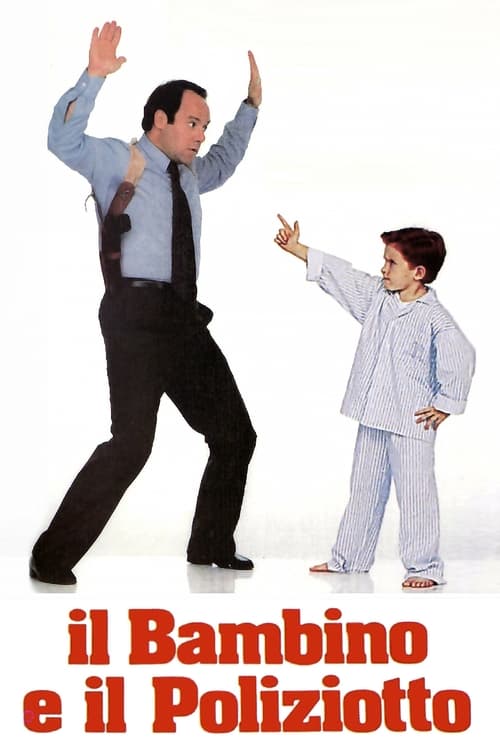
Carlo Verdone’s comedy centers on the transformation of a rigid authority figure into a vulnerable caregiver. By removing the officer’s stoic demeanor, the film delves into emotional vulnerability and the chaos of unexpected caretaking responsibilities. While the film successfully dismantles rigid masculine stereotypes and celebrates unconventional family bonds, it remains narrowly focused on a homogeneous demographic. The narrative adheres to traditional structures and lacks broader cultural or racial complexities. Ultimately, the work is a character-driven exploration of personal connections and the breakdown of traditional family units, even if it avoids broader social issues.
Category Breakdown
The film lacks LGBTQ+ characters or explorations of non-straight relationships. The central romantic storyline revolves around a traditional heterosexual relationship between the officer and the child's mother.
The film challenges traditional masculine stereotypes by showing a clumsy, vulnerable protagonist who struggles with domestic tasks. However, the female lead's role is limited by her legal situation and the conventional romantic plot structure.
The film features a homogeneous cast and setting typical of late-1980s Italian domestic comedies. The story focuses on the socioeconomic life of Rome without incorporating diverse ethnic backgrounds.
The film lightly critiques bureaucratic systems and state institutions. It emphasizes a 'found family' model, prioritizing personal connections over strict adherence to legal or social norms.
There are no prominent depictions of physical or neurodivergent disabilities. Such traits do not serve as central drivers for the characters or the narrative arc.
Present on Screen
Limited or Absent
Official Synopsis
Carlo, a police officer, after intercepting a call conducts a drug bust at a private party at the upper class apartment of Rosanna Clerici and she is arrested. Just as the police and party guests are leaving, Giulio, Rosanna's six-year-old son, comes out of his room and asks Carlo where his mother is. Seeing that Carlo is the person responsible for his mother's arrest, Giulio tags along with him until his mother is freed. Carlo does everything possible to have Social Services or somebody look after the kid but is told by the Courts that he is the best candidate for his custody until a better one is found. Even though Giulio manages to turn Carlo's life inside out he ends up getting to like the kid and falling for the kid's mother, Rosanna, while she is in prison. It ends with Rosanna being released from prison and the three of them going out for dinner.
2016

2024
2007
1991
2018
1995
2008
1987
No reviews yet. Be the first to share your thoughts on this movie!
Use the rating form above to leave a star rating and optional review.