
Fort Apache, the Bronx
1981
No user ratings available yet
Representation score: 1.7 out of 10

Representation Score
Limited
1972
RDirector
Richard Fleischer
Runtime
103 minutes
Average Rating
No ratings yetNew Showbiz Analysis
The film offers a realistic portrayal of 1970s Los Angeles, capturing the era's diverse demographics. However, it remains traditional in its social structures, focusing on male-dominated professions and marginalizing women and LGBTQ+ individuals. The work's strength lies in its nuanced exploration of institutional decay and urban life. It avoids simplistic heroism, instead presenting morally complex characters. Yet, it maintains a narrow perspective centered on white masculinity.
Category Breakdown
The film focuses solely on heterosexual and cisgender relationships among male officers. There is no representation of LGBTQ+ identities or non-assuming gender matches what was assigned at birth characters.
The story revolves around a male-dominated professional environment where women primarily serve as domestic figures or passive observers. Male characters hold the majority of active roles.
The film accurately depicts the racial diversity of 1970s Los Angeles by featuring Black and Latino characters. However, the narrative ability to act remains centered around white protagonists.
The story challenges traditional heroic narratives by examining the psychological impact of urban decay and institutional instability. It presents a morally ambiguous view of heroism.
There is no meaningful portrayal of physical or cognitive disabilities. Characters with disabilities are not used as central figures in the narrative.
Present on Screen
Limited or Absent
Official Synopsis
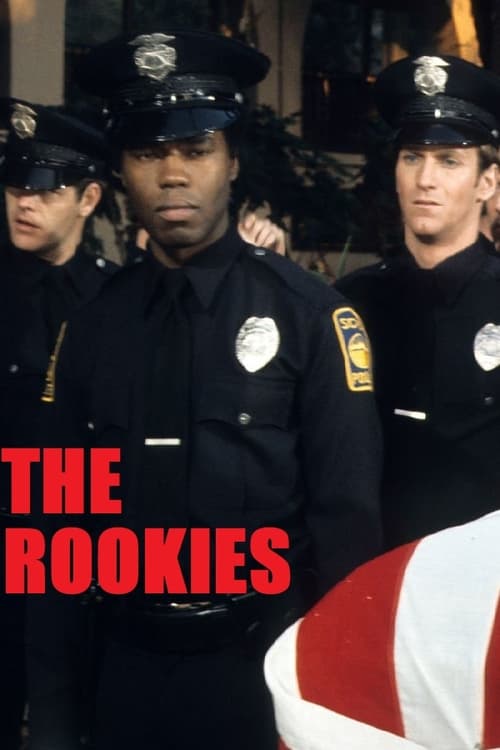
An idealistic rookie cop joins the LAPD to make ends meet while finishing law school, and is indoctrinated by a seasoned veteran. As time goes on, he loses his ambitions and family as police work becomes his entire life.
1981
1950
1975

1973
1972

2012
1975

1951
No reviews yet. Be the first to share your thoughts on this movie!
Use the rating form above to leave a star rating and optional review.