
The Chasing World
2008
No user ratings available yet
Representation score: 8.0 out of 10
Representation Score
Limited
2010
Director
Issei Shibata
Runtime
107 minutes
Average Rating
No ratings yetNew Showbiz Analysis
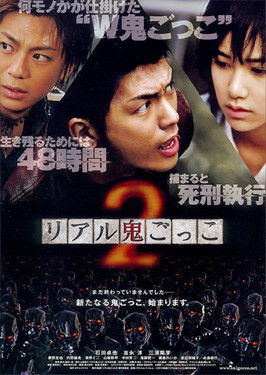
Chasing World 2 is a genre-driven mystery and horror film that prioritizes high-stakes survival over social commentary. While it avoids Western-centric norms by operating within a Japanese cultural framework, it lacks intentional focus on multi-layered or subversive narratives. The film's emphasis on the 'death game' cliché and the hunt for the Sato lineage keeps the narrative centered on external threats. This focus results in a standard distribution of roles that does not actively challenge social hierarchies or identity dynamics.
Category Breakdown
The film does not include any explicit LGBTQ+ characters or explore non-cisgender identities. The storyline centers around a survival conflict tied to a specific surname rather than identity-based themes.
The film includes a mix of male and female characters, but the genre often relies on traditional gender roles where characters are either protectors or victims.
As a Japanese production, the film features a predominantly Japanese cast. The narrative focuses on a specific lineage, serving as a localized identifier rather than exploring diverse ethnic backgrounds.
The use of parallel universes and supernatural elements allows the film to deviate from Western religious morality. The targeted hunt for individuals with a specific name suggests a critique of arbitrary victimization.
There is no mention of characters with visible or invisible disabilities. The narrative does not indicate any representation of neurodivergence or chronic illness.
Present on Screen
Limited or Absent
Official Synopsis
Teenager Tsubasa Sato returns to the parallel universe where demons are out to kill every person with the last name of Sato.
2008
2010
2015

2012
No reviews yet. Be the first to share your thoughts on this movie!
Use the rating form above to leave a star rating and optional review.