
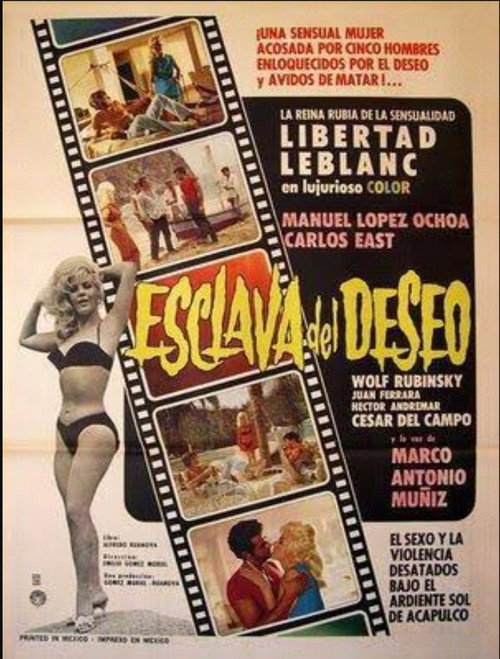
Naked Paradise
1957
No user ratings available yet
Representation score: 1.6 out of 10
Representation Score
Minimal
1968
Director
Emilio Gómez Muriel
Runtime
80 minutes
Average Rating
No ratings yetNew Showbiz Analysis
Esclava del deseo is a traditional mid-century drama that emphasizes interpersonal conflict and situational tension. The plot revolves around criminals on an island encountering a shipwrecked stranger, focusing on revenge rather than social critique. The film adheres to the established cinematic and social conventions of 1968 Mexico. It does not have the narrative structure to challenge systemic hierarchies or promote progressive values related to identity. Overall, the production reflects the era's standard demographic and moral frameworks, offering limited intentional diversity or representation of underrepresented groups.
Category Breakdown
The film does not include any non-binary or transgender characters, adhering strictly to the social norms of 1968 Mexican cinema.
Libertad Leblanc plays a central female role, but the revenge drama genre often relies on traditional gender roles. Women do not significantly challenge patriarchal structures in the film.
The cast is primarily Hispanic/Latino, reflecting the local demographics typical of Mexican productions. This mirrors the regional demographic standards rather than intentional diversity.
The narrative centers on individual morality and revenge, lacking any systemic critiques or deconstructions of traditional Western institutions and moral frameworks.
There is no information about characters with physical or neurodivergent disabilities. Disability is not used as a central narrative element or tool for character development.
Present on Screen
Limited or Absent
Official Synopsis
Criminals hiding out on an island find a shipwrecked stranger.
1957

1974

1960
1953

1978

1950

1965

1968
No reviews yet. Be the first to share your thoughts on this movie!
Use the rating form above to leave a star rating and optional review.