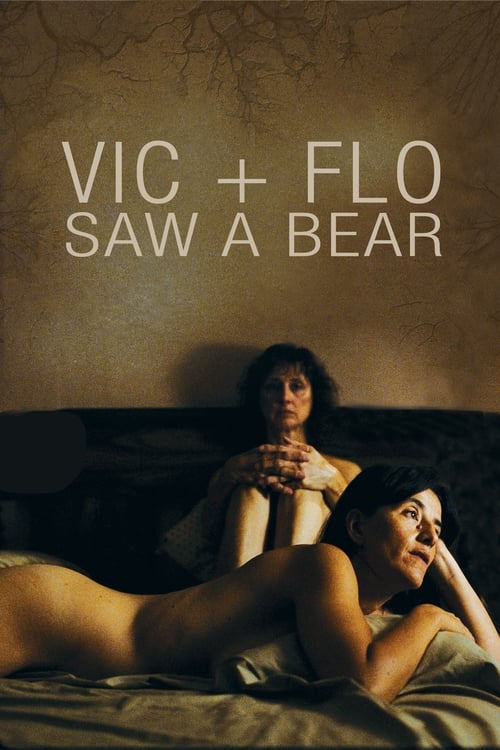
Vic + Flo Saw a Bear
2013
No user ratings available yet
Representation score: 7.6 out of 10
Representation Score
Fair
2005
Director
Denis Côté
Runtime
91 minutes
Average Rating
No ratings yetNew Showbiz Analysis
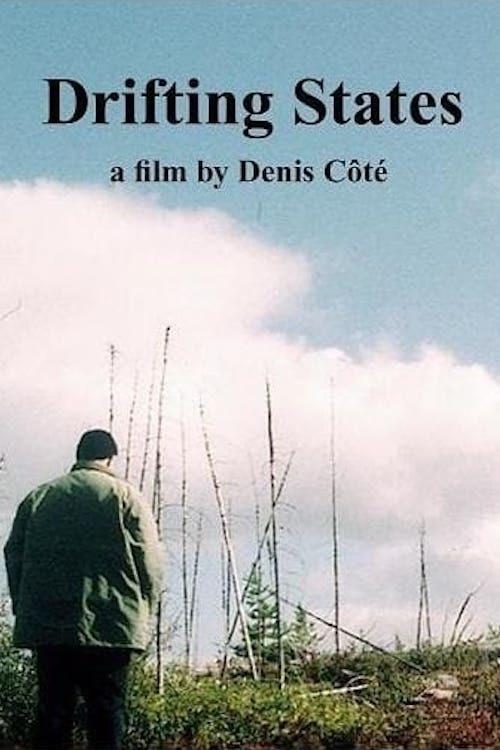
Drifting States is a character-driven drama that prioritizes ethical ambiguity over demographic breadth. The film challenges traditional moral certainties and institutional authority through its focus on a 'crime of compassion.' However, the narrative lacks visible representation across several key categories. The focus remains heavily on a single male perspective, and there is no explicit mention of LGBTQ+ identities or disability representation. Ultimately, the film's strength lies in its postmodern narrative structure and its exploration of moral relativism rather than its diversity of cast or identity-driven storylines.
Category Breakdown
The film does not explicitly depict LGBTQ+ identities or relationships outside of traditional heterosexual norms. The narrative focuses on a protagonist's ethical crisis and community reintegration rather than exploring queer experiences.
The story centers on a male protagonist, which can reinforce patriarchal structures. However, the film challenges traditional masculine stereotypes by focusing on vulnerability and moral complexity.
The remote setting of Radisson suggests engagement with Northern Quebec's demographics. While specific diverse casting is unconfirmed, the isolation may disrupt traditional social hierarchies.
The film engages with progressive themes by prioritizing subjective morality over rigid legalism. It critiques centralized institutions through a protagonist who finds meaning on the social periphery.
There is no evidence within the narrative to suggest the inclusion of characters with visible or invisible disabilities.
Present on Screen
Limited or Absent
Official Synopsis
Christian has commited a crime, a crime of compassion. A troubled soul, he must now flee not only the law, but the deep ethical consequences of his act. The path he sets upon leads him to where all roads end : a small community by the name of Radisson, 1500km north of Montreal. Slowly, he starts his life anew among his new neighbours, a new job, a new interest in life. His story drifts along, somewhere between fiction and reality…
2013

2000

2008

2011

2010
2008

2010

2004
No reviews yet. Be the first to share your thoughts on this movie!
Use the rating form above to leave a star rating and optional review.