
Volltreffer
2016
No user ratings available yet
Representation score: 4.3 out of 10
Representation Score
Fair
1997
Director
Tapio Piirainen
Runtime
100 minutes
Average Rating
No ratings yetNew Showbiz Analysis
This comedy primarily explores class-based struggles, focusing on the active roles of the working poor as they navigate dangerous systemic obstacles. It avoids overt identity politics, emphasizing the intersection of labor and aspiration. The film steers clear of traditional heroic clichés, offering a grounded, situational look at the pursuit of autonomy.
Category Breakdown
The film does not include explicit details about sexual orientation or gender identity. It focuses on a neutral perspective without showing characters with non-traditional genders.
The story centers on a diverse team based on professional skills rather than traditional gender roles. There is no clear indication of gender roles being challenged.
Given the Finnish context of 1997, the film likely reflects the era's demographics. There is no evidence of a diverse or non-Anglo-Saxon majority cast.
The story subtly critiques economic structures, highlighting the systemic instability faced by the working class through dangerous, low-wage labor.
There is no evidence within the narrative suggesting the inclusion of characters with visible or invisible disabilities.
Present on Screen
Limited or Absent
Official Synopsis
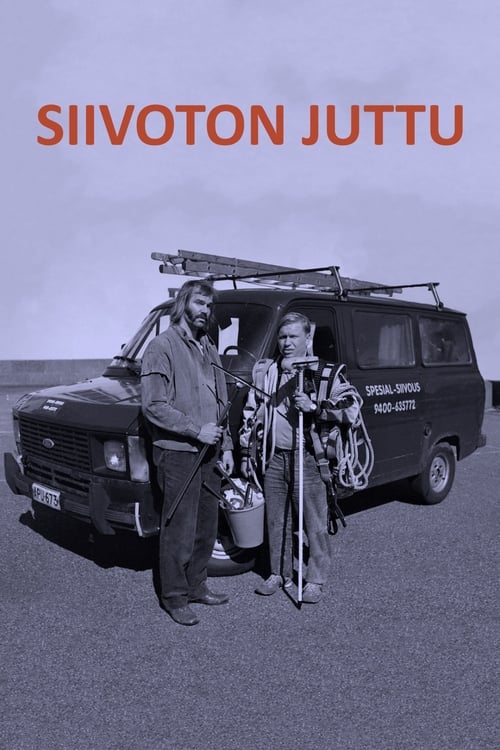
A ragtag team of cleaners tackles absurdly dangerous jobs - explosions, devastating water damage, and “impossible” stains - while dreaming of escaping poverty and enjoying holidays in the sun.
2016

1993

2003

2011

2008

1987

2002

2013
No reviews yet. Be the first to share your thoughts on this movie!
Use the rating form above to leave a star rating and optional review.