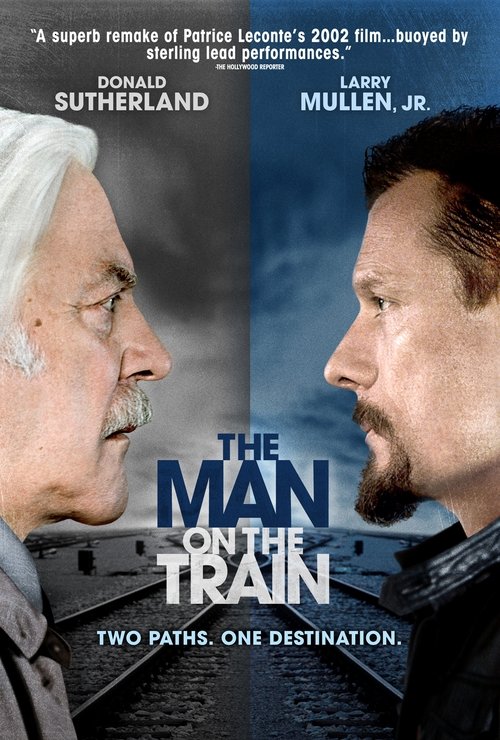
The Man on the Train
2011
No user ratings available yet
Representation score: 4.5 out of 10
Representation Score
Limited
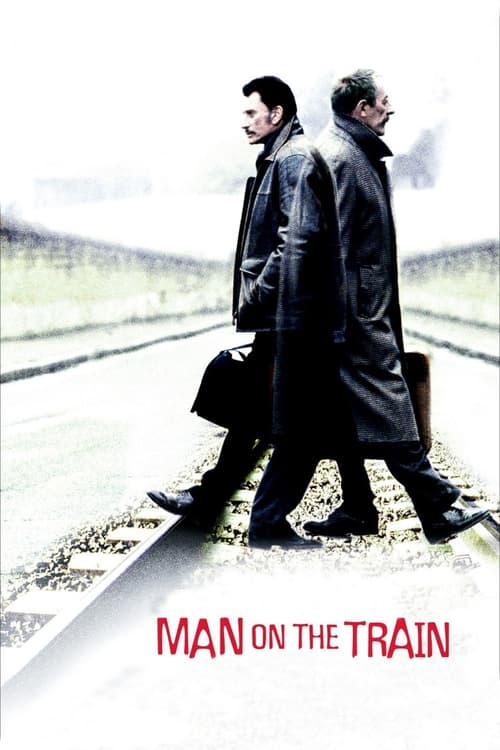
2002
RDirector
Patrice Leconte
Runtime
90 minutes
Average Rating
No ratings yetNew Showbiz Analysis
Patrice Leconte’s film is a narrow, character-driven psychological study that prioritizes atmospheric tension over demographic diversity. It succeeds in deconstructing conventional romantic expectations and moral hierarchies through its focus on human transgression. However, the film remains demographically homogeneous. The setting and cast lack racial, ethnic, or LGBTQ+ diversity, functioning instead as a study of specific European social isolation. Ultimately, the work finds its progressive edge in its refusal to provide easy moral answers, even as it fails to represent a wide spectrum of identities.
Category Breakdown
The film does not include any LGBTQ+ characters or explore non-straight relationships. Romantic tension is presented through a traditional, psychologically unstable heterosexual perspective.
The story avoids the damsel-in-distress cliché by focusing on voyeurism and psychological manipulation. However, it lacks significant subversion of masculine dominance or strong representations of femininity.
Set in a small French village, the film features a predominantly white, European cast. It does not showcase a diverse ethnic range or employ actors from different backgrounds.
The story delves into moral ambiguity and examines the complexities of human behavior. It emphasizes subjective personal truths over strict societal or legal judgments.
The plot centers on profound psychological instability and social isolation. These elements are portrayed as character traits of an isolated individual rather than an exploration of neurodivergence.
Present on Screen
Limited or Absent
Official Synopsis
A man, Milan steps off a train, into a small French village. As he waits for the day when he will rob the town bank, he runs into an old retired poetry teacher named M. Manesquier. The two men strike up a strange friendship and explore the road not taken, each wanting to live the other's life.
2011
1960
2004
1989
1999
2005
1993
2004
No reviews yet. Be the first to share your thoughts on this movie!
Use the rating form above to leave a star rating and optional review.