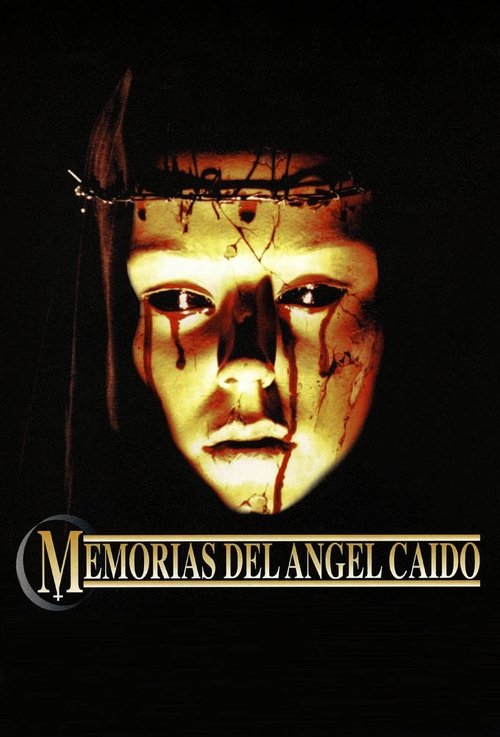
Memorias del ángel caído
1997
No user ratings available yet
Diversity score: 3.9 out of 10
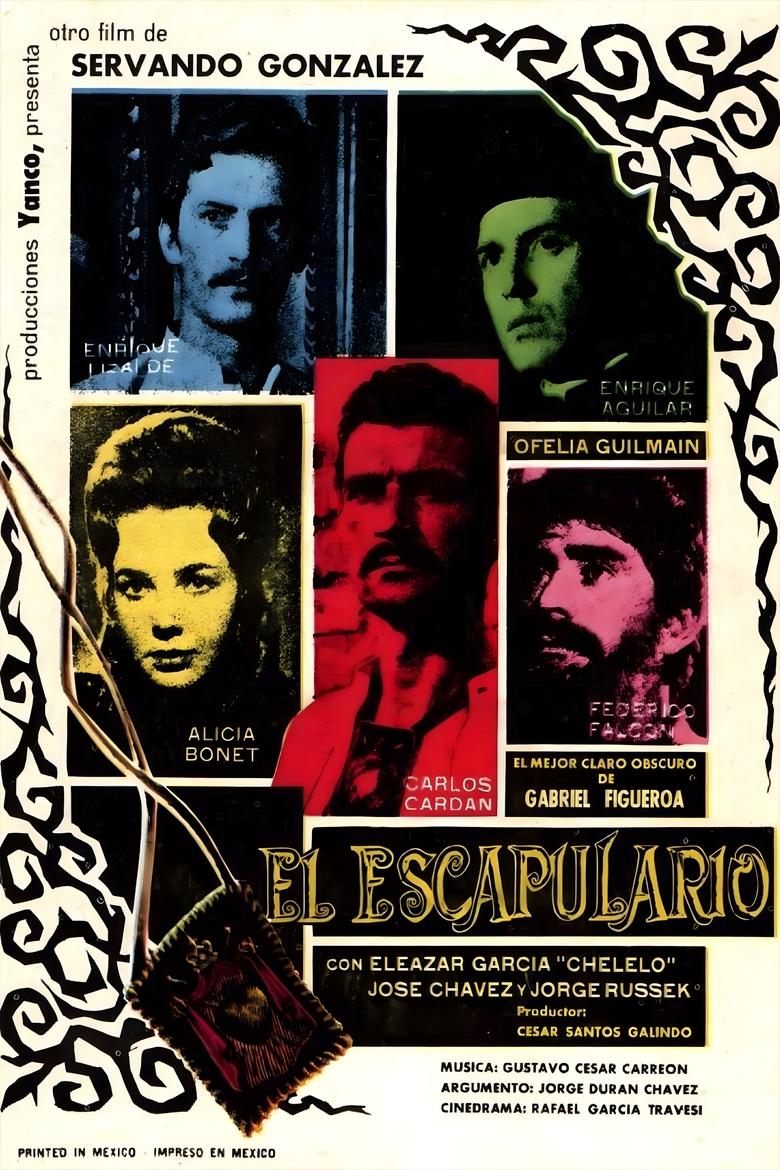
1968
Director
Servando González
Runtime
85 minutes
Average Rating
No ratings yetSynopsis
A woman who is about to die calls the town's priest and hands him a scapulary, saying that she knows of its great powers. Anybody who does not believe in them will end up dead.
Overall Score
Limited
Category Breakdown
LGBTQ+ Representation
The film lacks any indication of queer narratives or non-heteronormative identities. The story focuses on a priest and a dying woman, suggesting traditional interpersonal dynamics.
Gender Representation
While a female character initiates the plot, the power structure remains centered on the priesthood. The narrative follows conventional roles within a patriarchal religious framework.
Racial & Ethnic Diversity
As a Mexican production, the film likely features a predominantly Hispanic cast. However, the story does not appear to intentionally challenge racial hierarchies or social norms.
Religious & Cultural Diversity
The plot relies heavily on Catholic iconography and religious authority. It reinforces traditional spiritual values and the power of the clergy through the central scapular motif.
Disability Representation
There is no evidence of characters with physical or neurodivergent disabilities within the narrative.
Strengths
Areas for Improvement
AI Analysis
The Scapular is a traditional supernatural drama that leans heavily into religious fatalism and established moral structures. It functions as a genre piece centered on a curse, utilizing religious objects to drive a mystery rather than exploring complex social identities. The film reinforces existing cultural hierarchies, particularly through its focus on the authority of the priesthood and traditional Catholic devotion. It does not attempt to subvert social norms or provide intersectional perspectives. Ultimately, the work serves as a classic example of Mexican cinema from its era, prioritizing religious morality and conventional dramatic tropes over contemporary narrative disruption.
No reviews yet. Be the first to share your thoughts on this movie!
Use the rating form above to leave a star rating and optional review.