
Charles Darwin and the Tree of Life
2009
No user ratings available yet
Representation score: 2.8 out of 10
Representation Score
Limited
1998
TV-14Runtime
45 minutes
Average Rating
No ratings yetNew Showbiz Analysis
This documentary serves as a historical reconstruction of the Victorian era, which naturally limits its demographic breadth. The narrative is tethered to the homogeneous social structures of 19th-century Britain, resulting in limited representation of gender, racial, and LGBTQ+ identities. However, the film finds strength in its cultural analysis. It effectively portrays the tension between emerging scientific truths and the oppressive religious hierarchies of the time. This focus on challenging systemic authority provides a progressive intellectual framework despite the lack of diverse casting. Ultimately, the film is a period-specific biography that prioritizes the evolution of thought over social diversity.
Category Breakdown
The film focuses on Darwin's marriage and family life. There is no explicit depiction or discussion of non-straight relationships throughout the documentary.
Narrative ability to act is concentrated on Darwin and his male scientific contemporaries. Women appear primarily in traditional Victorian domestic roles rather than as independent agents.
The visual and narrative landscape is predominantly Anglo-Saxon. It reflects the era's constraints without providing diverse perspectives on the global implications of Darwin's theories.
The film excels by interrogating the conflict between evolutionary science and religious dogma. It prioritizes secularism and the disruption of established intellectual hierarchies.
There is no evidence of characters or subjects being portrayed through the lens of physical or neurodivergent disability.
Present on Screen
Limited or Absent
Official Synopsis
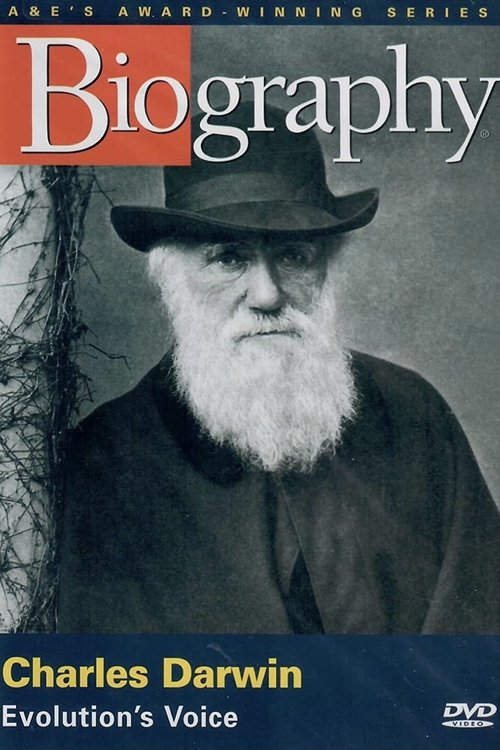
Charles Darwin's theory of evolution stands as one of the most important discoveries in the history of science. Yet in his lifetime, Darwin was reluctant to reveal what he had learned for fear that it would make outcasts of him and his family. This fascinating installment of A&E's popular "Biography" series profiles the life and times of the controversial naturalist, presenting excerpts from his journals and opinions from expert scholars.
2009
2008
2019
2009
1995
2017
2017
2016
No reviews yet. Be the first to share your thoughts on this movie!
Use the rating form above to leave a star rating and optional review.