Devlin
1992
No user ratings available yet
Representation score: 1.0 out of 10
Representation Score
Limited
1996
RDirector
Roger Nygard
Runtime
86 minutes
Average Rating
No ratings yetNew Showbiz Analysis
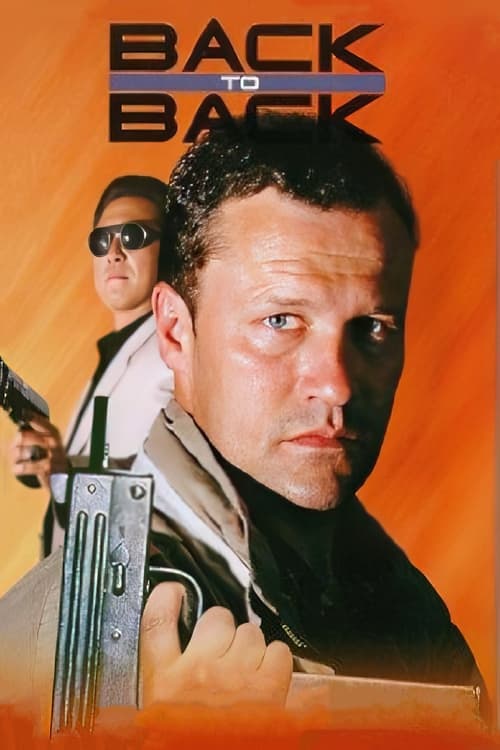
Back to Back operates within the well-established conventions of the 1990s action-drama genre. While the plot introduces a multicultural conflict between Japanese organized crime and local gangs, the film lacks evidence of deep complexity in representing diverse identities. The narrative centers on traditional masculine archetypes, focusing on a lone male protagonist battling systemic corruption. This approach leans heavily on genre clichés rather than challenging social hierarchies or exploring diverse identities. Overall, the film uses ethnic conflict as a plot device rather than a tool for nuanced representation, resulting in a production that feels culturally conventional.
Category Breakdown
The film follows traditional structures centered around straight relationships. There is no indication of LGBTQ+ narratives or characters who don't identify as cisgender.
The story focuses on a male ex-cop who navigates a male-dominated world. It emphasizes masculine roles without giving much depth to female characters.
The film features a conflict between Japanese mobsters and local gangs, suggesting a multicultural environment. However, it is unclear if these groups are well-developed or just typical genre elements.
The plot criticizes institutional corruption by portraying a corrupt police officer as the antagonist. It stays within standard genre boundaries without exploring broader secular or anti-capitalist themes.
There is no documented evidence regarding the inclusion of characters with physical or neurodivergent disabilities.
Present on Screen
Limited or Absent
Official Synopsis
An ex-cop finds himself caught up in a battle between Japanese mobsters and local gangland thugs and discovers that he was framed for wrong-doings by a corrupt cop.
1992
1989

1997

1975

1988
2002

2004
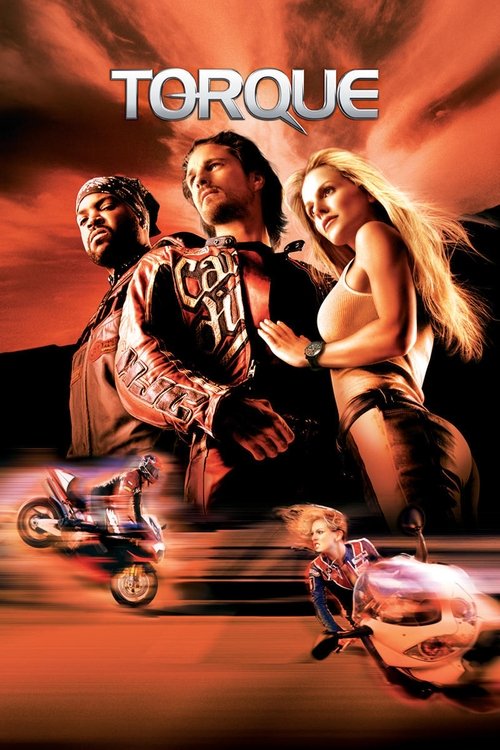
2004
No reviews yet. Be the first to share your thoughts on this movie!
Use the rating form above to leave a star rating and optional review.