
Listen Before You Sing
2021
No user ratings available yet
Representation score: 7.7 out of 10
Representation Score
Good
2010
Director
Kang Dae-gyu
Runtime
115 minutes
Average Rating
No ratings yetNew Showbiz Analysis
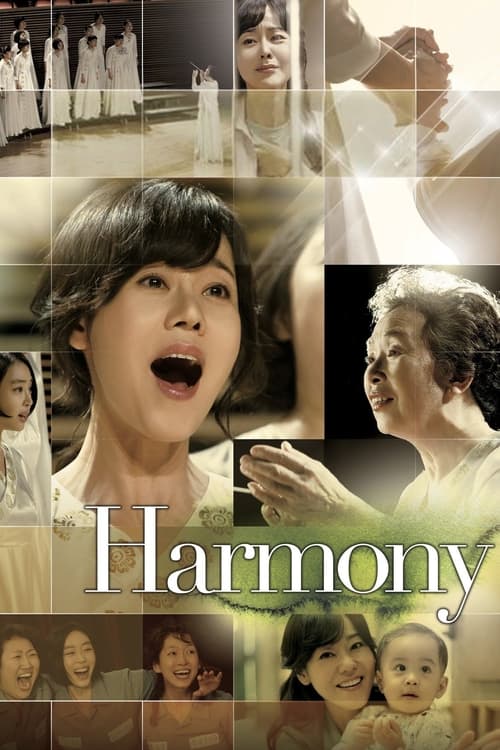
Harmony succeeds as a character study that challenges the perception of incarcerated women as mere statistics. By focusing on a female-led collective, the film prioritizes communal emotional intelligence over traditional power structures. The film's strength lies in its portrayal of resilience and the restorative power of art. It uses the choir to explore social stratification and the human need for connection. However, the film lacks diverse representation. The narrative remains centered on a culturally uniform cast and traditional family structures, missing opportunities for broader LGBTQ+ and multi-ethnic representation.
Category Breakdown
The film focuses on maternal bonds and traditional family structures. It does not explicitly depict queer romantic relationships or non-cisgender identities.
The narrative centers on women's empowerment within a restrictive institution. Women reclaim their autonomy through a choir, challenging the stereotype of passive female prisoners.
As a South Korean production, the cast is culturally uniform. It offers a localized perspective on specific social classes rather than a blend of multiple ethnicities.
The story critiques institutional rigidity by depicting the prison system as a site of conflict. It highlights grassroots communal efforts over state-imposed order.
The film explores the psychological impact and loss of control experienced due to incarceration. It addresses emotional trauma with depth, avoiding it as mere spectacle.
Present on Screen
Limited or Absent
Official Synopsis
Jeong-hye gives a birth to a baby boy in the prison. Her and other inmates create a women's choir to compete in the national choir contest, to meet and greet their families and loving ones.
2021

2006

1997
1998

2004

2022

2022

2020
No reviews yet. Be the first to share your thoughts on this movie!
Use the rating form above to leave a star rating and optional review.