
Incorregibles
2007
No user ratings available yet
Representation score: 3.0 out of 10
Representation Score
Good
1998
PG-13Director
Davide Ferrario
Runtime
92 minutes
Average Rating
No ratings yetNew Showbiz Analysis
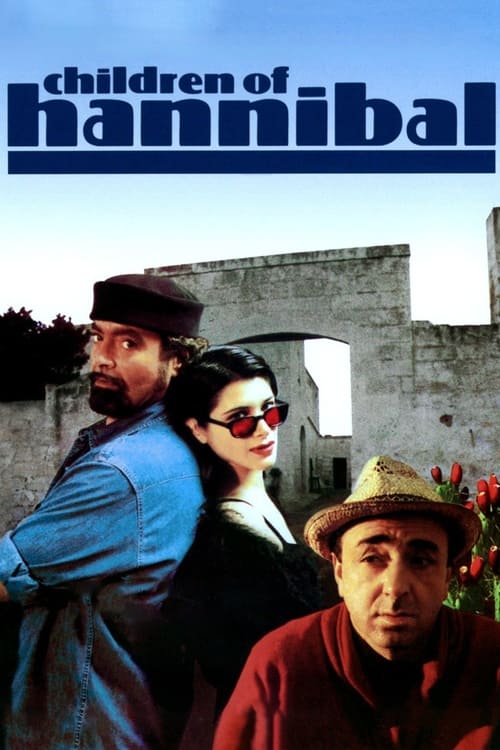
Children of Hannibal is a comedy that stands out by centering a character's crime to facilitate a queer transition, moving beyond straight-centered clichés to give genuine ability to act to its protagonist. The narrative prioritizes the subversion of domestic and legal structures over racial or disability-based representation. While the film excels at challenging gendered expectations and queer stereotypes, it remains focused on Italian social class dynamics, lacking broader multi-ethnic or diverse physical representation.
Category Breakdown
Tommaso's queer identity is central to the plot, as he uses the hostage situation to pursue a romantic relationship with a male police officer.
The film challenges traditional masculine roles by showing the male protagonist as unsatisfied with his marriage and work life. Rita adds complexity to the evolving power dynamics.
The narrative centers on Italian social dynamics and class status without explicitly featuring a multi-ethnic cast or diverse racial backgrounds.
The story criticizes traditional institutions such as the nuclear family and the legal system, framing societal obligations as burdens to escape through personal reinvention.
There are no visible or mentioned depictions of physical or neurodivergent disabilities in the film.
Present on Screen
Limited or Absent
Official Synopsis
Unemployed Domenico robs a bank, but is forced to take a hostage when things go wrong. The hostage, Tommaso, is a man who hates his wife and job, and who was already planning to run away with his gay cop lover anyway, so this seems to him like a good opportunity to disappear and start over again: the kidnapped becomes the kidnapper, and things get even more complicated when the two are joined by Rita, Tommaso's beautiful daughter.
2007

1986
2002
2014

1987
2013
1989
1994
No reviews yet. Be the first to share your thoughts on this movie!
Use the rating form above to leave a star rating and optional review.