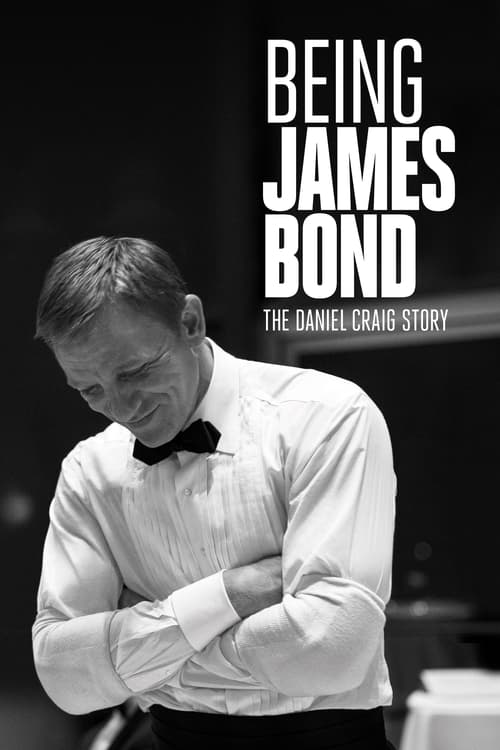
Being James Bond
2021
No user ratings available yet
Representation score: 2.1 out of 10
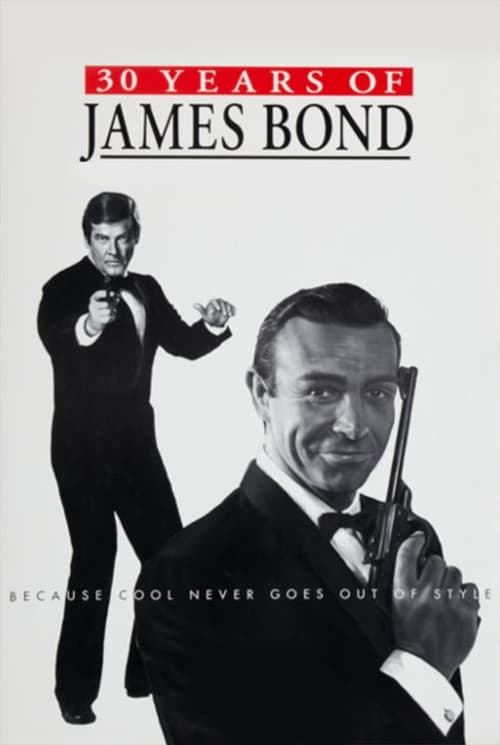
Representation Score
Minimal
1992
Director
Lorna Dickinson, Alasdair Macmillan
Runtime
50 minutes
Average Rating
No ratings yetNew Showbiz Analysis
The film opens with the *Dr. No* title sequence, a visual DNA that immediately establishes the franchise’s aesthetic: polished, violent, and unapologetically white. This 1992 documentary, directed by Lorna Dickinson and Alasdair Macmillan, functions less as a critical examination and more as a hagiography for the James Bond brand. The camera lingers on Sean Connery’s rugged face and Roger Moore’s polished smile, framing these men not as actors but as eternal icons of masculine competence. The sold meaning is clear: the Bond universe is a self-contained world where white, British, male authority is the natural order, and any deviation is an anomaly to be corrected by a gun. The film’s argument rests on continuity and brand consistency. By juxtaposing the four Bond actors, it suggests that the character is a vessel for different shades of the same imperial fantasy, rather than a subject of evolving cultural critique. The archival clips of Bond girls—often young, beautiful, and in distress—are treated as disposable obstacles, their deaths punchlines for the hero’s skill. This framing reveals a deep comfort with the status quo; the film never questions the geopolitical violence or the objectification of women, instead celebrating them as essential ingredients of the Bond formula. The ending montage, featuring the actors in their suits, seals this verdict. It rewards the viewer with a sense of timeless stability, implying that the Bond legend is immune to the cultural shifts of the 1990s. The film’s internal logic is consistent: if Bond is the ideal, then the world he inhabits must be correct. This creates a tension with any modern critical perspective, but the documentary refuses to engage with it. Instead, it prints the legend, ensuring that the white, male, British fantasy remains the definitive standard of cinematic heroism. The last image is not a question but an affirmation: the suit is still the armor, the gun is still the solution, and the hierarchy is still intact.
Category Breakdown
No queer characters, intimacy, or discussion appear in the interviews or archival clips. The franchise’s heterosexual default remains unchallenged and unremarked.
Men dominate every frame as competent architects of the myth; women exist only as disposable archival prizes. The camera reveres the male suit and gun, treating female distress as a prop for Bond’s victory.
The production team and actors are exclusively white; non-white figures appear only as exotic villains or objects in clips. Whiteness is the unmarked standard of authority and style.
British imperial masculinity is celebrated as timeless and correct. The film treats the franchise’s geopolitical violence and class privilege as inherent virtues, not subjects for critique.
No disabled characters or discussions appear. The film’s aesthetic privileges able-bodied, youthful male performance without acknowledging impairment or diversity.
Present on Screen
Limited or Absent
Official Synopsis
An examination of why the James Bond films have proved so popular including a discussion between the four actors who have played Bond, an interview with Cubby Broccoli and contributions from the directors, production designers, special effects and stuntmen.
2021
2000
1987

2000

2000

1999

1997
2000
No reviews yet. Be the first to share your thoughts on this movie!
Use the rating form above to leave a star rating and optional review.