Find another title
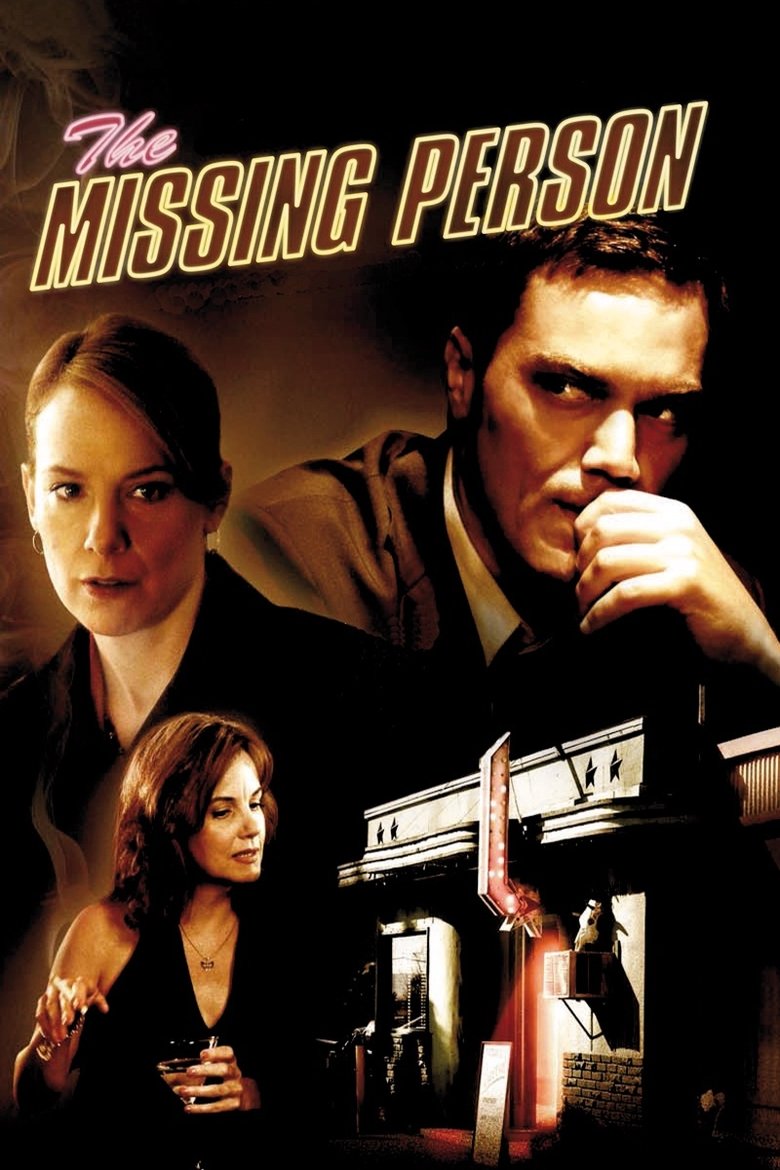
The Missing Person
2009
Director
Noah Buschel
Runtime
95 minutes
Average Rating
No ratings yetSynopsis
Private detective John Rosow is hired to tail a man on a train from Chicago to Los Angeles. Rosow gradually uncovers the man's identity as a missing person; one of the thousands presumed dead after the 9/11 terrorist attacks on the World Trade Center. Persuaded by a large reward, Rosow is charged with bringing the missing person back to his wife in New York City.
Where to Watch
Diversity & Representation
Overall Score
Limited
Category Breakdown
LGBTQ+ Representation
The film lacks visible non-cisnormative identities or narratives that challenge heteronormativity. The focus remains on a traditional investigative premise involving male characters.
Gender Representation
The story centers on a male protagonist and a male subject. This heavy emphasis on male-driven agency suggests a traditional gender hierarchy with little female presence.
Racial & Ethnic Diversity
The narrative follows a conventional Western noir framework. There is no indication of a non-Anglo-Saxon majority cast or casting that disrupts historical norms.
Religious & Cultural Diversity
The film utilizes standard hardboiled detective tropes. It operates within traditional Western storytelling structures without offering systemic critiques of capitalism or Western ideals.
Disability Representation
There is no mention of visible or invisible disabilities or neurodivergence. No information is available to assess representation in this category.
Strengths
- The film utilizes established, recognizable genre tropes of the hardboiled detective tradition.
Areas for Improvement
- The narrative lacks female characters with significant agency.
- There is a notable absence of LGBTQ+ representation.
- The cast appears to follow a standard, non-diverse demographic baseline.
- The story lacks engagement with disability or neurodivergent perspectives.
AI Analysis
The film adheres to conventional mystery and thriller tropes, prioritizing plot mechanics over identity-driven storytelling. The narrative structure relies on a traditional male-centric archetype, common in the hardboiled detective genre. Representation is limited by a focus on a male protagonist and a male subject, leaving little room for diverse gender or queer perspectives. The setting and character archetypes suggest a standard demographic baseline without significant subversion of social hierarchies. Ultimately, the work functions as a mainstream genre piece that lacks intersectional depth or the inclusion of marginalized voices.
Rate this Movie
Reviews
No reviews yet. Be the first to share your thoughts on this movie!
Use the rating form above to leave a star rating and optional review.