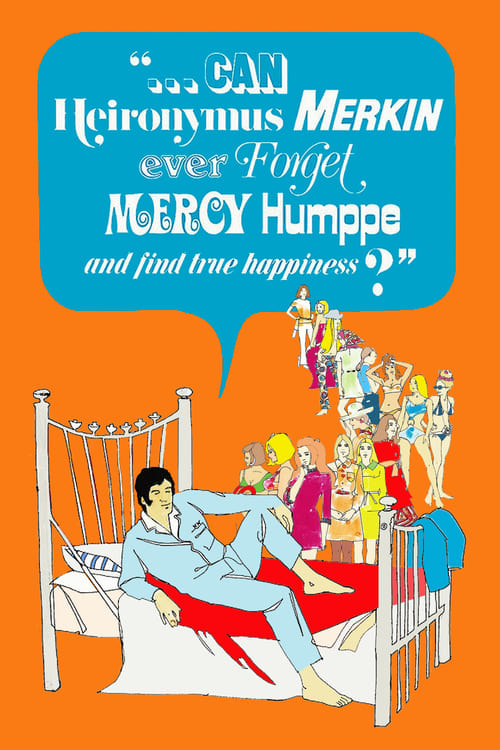
Can Heironymus Merkin Ever Forget Mercy Humppe and Find True Happiness?
1969
No user ratings available yet
Diversity score: 6.9 out of 10
1972
RDirector
Jacques Levy
Runtime
100 minutes
Average Rating
No ratings yetSynopsis
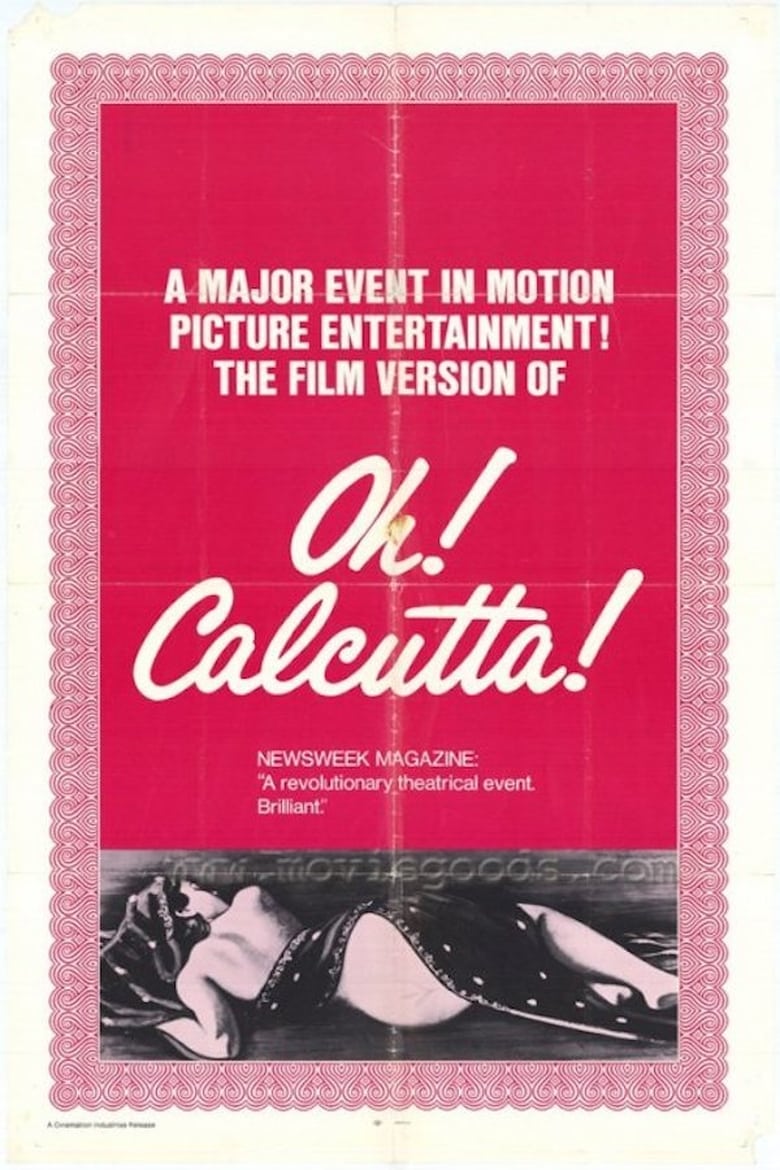
Based on the controversial off-Broadway musical comedy revue, "Oh! Calcutta!" is a series of musical numbers about sex and sexual mores. Most of the skits feature one or more performers in a state of undress, simulating sex, or both. The show sparked considerable controversy at the time because it featured extended scenes of total nudity, both male and female. The title is taken from a painting by Clovis Trouille, itself a pun on "O quel cul t'as!" French for "What an arse you have!".
Overall Score
Good
Category Breakdown
LGBTQ+ Representation
The film serves as a significant artifact of the sexual revolution by actively challenging heteronormative frameworks. It provides high agency to performers through depictions of same-sex intimacy and non-cisnormative gender expressions.
Gender Representation
The work subverts traditional hierarchies by presenting women as sexually active subjects rather than passive objects. It centers female desire and autonomy to challenge patriarchal structures and notions of submissiveness.
Racial & Ethnic Diversity
The ensemble cast reflects a diverse 1970s urban landscape with performers of various backgrounds. While sketches rely on archetypes rather than deep narratives, the multi-racial cast creates an inclusive visual tapestry.
Religious & Cultural Diversity
The film uses moral relativism to present various sexual expressions as valid and non-judgmental. It celebrates the breaking of social taboos as a form of personal empowerment and critique of restrictive institutions.
Disability Representation
There is no significant evidence regarding the portrayal of physical or neurodivergent disabilities within the film's thematic overview.
Strengths
Areas for Improvement
AI Analysis
Oh! Calcutta! functions as a provocative exploration of the 1970s sexual revolution. By utilizing a non-linear, cabaret-style revue format, the film prioritizes thematic exploration of desire over traditional character-driven plots. The production excels in its depiction of sexual fluidity and female agency. It intentionally disrupts the era's domestic ideals by centering queer identities and autonomous female sexuality, making it a landmark for its time. While the film offers a diverse visual tapestry through its multi-racial cast, it lacks depth in individualized ethnic narratives. The focus remains on archetypal sketches rather than complex cultural storytelling.
1969
1963
1973

2007
1968
No reviews yet. Be the first to share your thoughts on this movie!
Use the rating form above to leave a star rating and optional review.