
Hey Deer!
2015
No user ratings available yet
Representation score: 0.9 out of 10
Representation Score
Fair
1999
Director
Wendy Tilby, Amanda Forbis
Runtime
10 minutes
Average Rating
No ratings yetNew Showbiz Analysis
When the Day Breaks is a poetic, observational short that prioritizes aesthetic postmodernism over identity-based narrative drivers. It functions as a neutral study of the anthropomorphic condition, eschewing both the reinforcement and the active subversion of social hierarchies. The film's strength lies in its ability to disrupt conventional storytelling through fragmentation and sensory immersion. It observes the intersection of individual experience and communal environments without assigning specific political weight to the characters' identities. Because the characters are animal archetypes in a stylized setting, the film remains neutral. It avoids both the inclusion of underrepresented identities and the reinforcement of traditional social hierarchies.
Category Breakdown
The film focuses on the solitary, cyclical routines of anthropomorphic characters. There is no evidence of non-straight gender identities or same-sex relationships within the plot.
The narrative avoids traditional gendered hierarchies by focusing on individual domesticity. While it does not actively subvert masculinity or femininity, it avoids reinforcing patriarchal leadership.
Characters lack explicit racial or ethnic markers due to the use of animal archetypes. The setting functions as a universalized urban environment without specific ethnic identifiers.
The film presents a secular, observational view of daily life. It avoids religious morality but does not actively critique capitalism or Western institutions.
There are no characters portrayed with visible or invisible disabilities. The film emphasizes sensory experience and rhythm rather than specific disability narratives.
Present on Screen
Limited or Absent
Official Synopsis
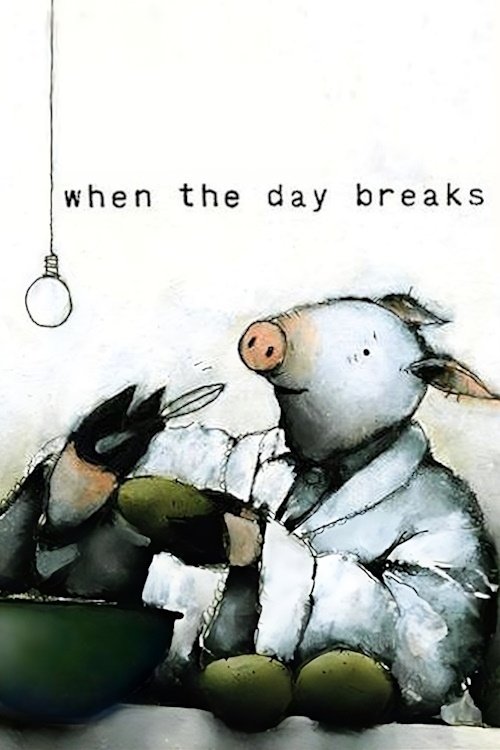
A rooster has his last biscuit for breakfast and goes grocery shopping. A pig prepares her breakfast (potato peelings, with the potatoes thrown in the trash) and discovers she needs more milk. Their paths cross, a lemon falls into the sewer, and both lives are changed.
2015

2017

2008
2009
2005

2000
1994
2000
No reviews yet. Be the first to share your thoughts on this movie!
Use the rating form above to leave a star rating and optional review.