
Sharing the Secret
2000
No user ratings available yet
Representation score: 7.5 out of 10
Representation Score
Fair
1996
Director
James A. Contner
Runtime
96 minutes
Average Rating
No ratings yetNew Showbiz Analysis
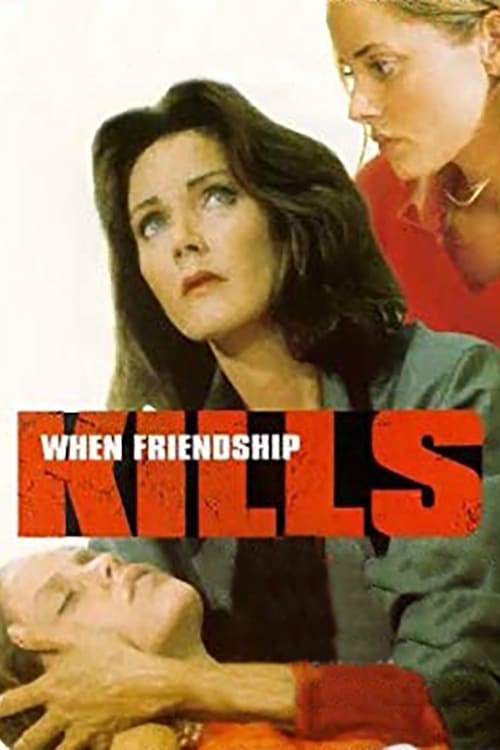
When Friendship Kills is a character-driven exploration of adolescent psychological struggles. It successfully centers female perspectives and addresses mental health challenges through eating disorders. However, the film is confined by the demographic and social norms of its time. It lacks complexity in representing diverse identities and avoids systemic critiques. Ultimately, while the film offers meaningful representation of invisible disabilities, it operates within a narrow, traditional framework.
Category Breakdown
The film does not feature any explicit LGBTQ+ characters or identities. It focuses on traditional social frameworks and female-centric friendships.
The story emphasizes women's ability to drive the story and psychological depth over the male perspective. However, it still relies on traditional clichés related to body image issues.
The cast appears homogeneous, reflecting the demographic norms of 1990s American television. There is no indication of racial or ethnic diversity.
The plot examines the limitations of traditional family structures and support systems. It does not delve into deeper systemic critiques or anti-capitalist views.
By focusing on bulimia, the film highlights mental health as a key driver of character development. This portrayal gives real power to individuals dealing with invisible disabilities.
Present on Screen
Limited or Absent
Official Synopsis
Teenager Lexi Archer moves to Chicago with her newly divorced mother and befriends a popular girl at her new school, Jennifer. After Lexi's volleyball coach suggests that she lose weight, Jennifer reveals she is bulimic and the two girls decide to help each other, leading to disastrous consequences.
2000

2014
2014

2015
2014
1992

2015

2001
No reviews yet. Be the first to share your thoughts on this movie!
Use the rating form above to leave a star rating and optional review.