
SUGA: Road to D-DAY
2023
No user ratings available yet
Representation score: 5.7 out of 10
Representation Score
Limited
2026
Director
Bao Nguyen
Runtime
93 minutes
Average Rating
No ratings yetNew Showbiz Analysis
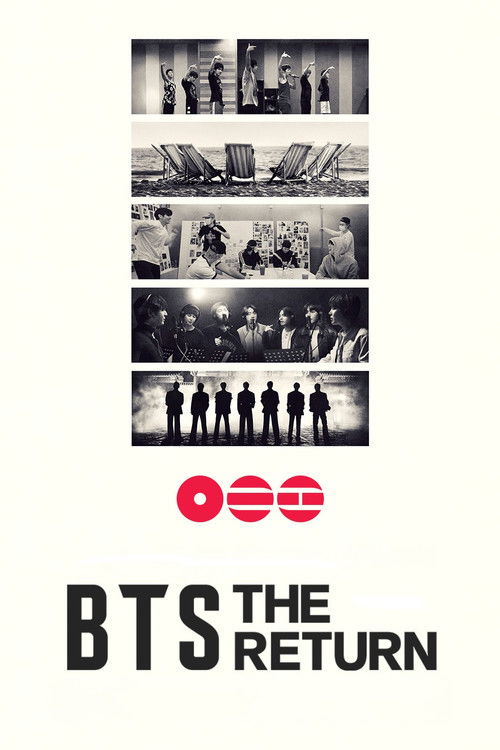
BTS: The Return delivers powerful racial and cultural representation by centering seven South Korean artists in a major global documentary. Their creative process and personal milestones are portrayed with authenticity and respect. However, the film’s narrow scope excludes women, LGBTQ+ individuals, and people with disabilities entirely. This absence limits its overall diversity impact despite its cultural significance. The documentary succeeds as a heartfelt reunion piece but falls short in broadening its representational lens beyond the group’s existing composition.
Category Breakdown
No LGBTQ+ characters or relationships appear in the documentary. The narrative concentrates on the seven male members reuniting to record their album after military service, leaving queer identities entirely absent from the on-screen world.
The film centers an all-male group with no women or non-binary individuals shown in the cast or plot summary. BTS members occupy every creative and emotional role, resulting in a strictly male perspective throughout.
The entire cast is South Korean, featuring RM, Jin, SUGA, j-hope, Jimin, V, and Jung Kook. Their voices and creative process drive a major global release, offering strong, unmediated Asian representation.
Korean culture is highlighted through the band’s music and their experiences returning from mandatory military service. The documentary frames their journey as a sentimental welcome back rather than a sharp institutional critique.
No characters with physical or mental disabilities are shown or identified in the documentary. The focus remains exclusively on the seven able-bodied members as they navigate their musical comeback.
Present on Screen
Limited or Absent
Official Synopsis
They're back! BTS gathers in LA to record their album "Arirang" in this documentary offering unprecedented access to the band as they enter a new era.
2023
2020

2024
2019
2020

2024
2023
2018
No reviews yet. Be the first to share your thoughts on this movie!
Use the rating form above to leave a star rating and optional review.