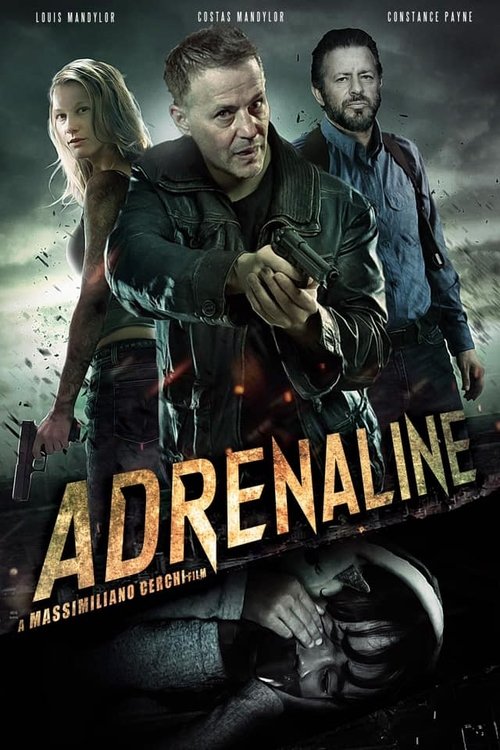
Adrenaline
2022
No user ratings available yet
Diversity score: 4.2 out of 10

2002
RDirector
J.A. Steel
Runtime
84 minutes
Average Rating
No ratings yetSynopsis
A female cop's sister is kidnapped by the Asian mafia and she has 24 hours to save her.
Overall Score
Limited
Category Breakdown
LGBTQ+ Representation
The film lacks LGBTQ+ characters or narratives addressing non-cisnormative identities. It focuses entirely on a traditional rescue trope.
Gender Representation
A female police officer serves as the central protagonist and primary agent of action. This disrupts typical early 2000s genre expectations by centering a woman in a high-stakes role.
Racial & Ethnic Diversity
The plot features an Asian mafia as a central driver. While this introduces non-Western elements, it relies on established cinematic archetypes rather than nuanced character depth.
Religious & Cultural Diversity
The story follows a standard Western law-and-order framework. It lacks systemic critique or moral relativism, adhering instead to conventional genre morality.
Disability Representation
There is no evidence of characters with visible or invisible disabilities. The narrative does not include neurodivergent or physical disability representation.
Strengths
Areas for Improvement
AI Analysis
The Third Society operates primarily as a standard genre-driven action thriller. Its most significant contribution to representation is the centering of a female officer in a role typically reserved for men during this era of cinema. However, the film lacks intersectional depth. The inclusion of an Asian organized crime element risks falling into predictable tropes rather than offering complex, high-agency characters of color. The narrative remains firmly within a traditional Western framework. Ultimately, the film prioritizes genre conventions over progressive storytelling. While it provides female agency, it misses opportunities for broader cultural or systemic exploration.
2022

1987

2001

2011
1993

1992

2021

1989

2022

2020
1987

2021
No reviews yet. Be the first to share your thoughts on this movie!
Use the rating form above to leave a star rating and optional review.