Find another title
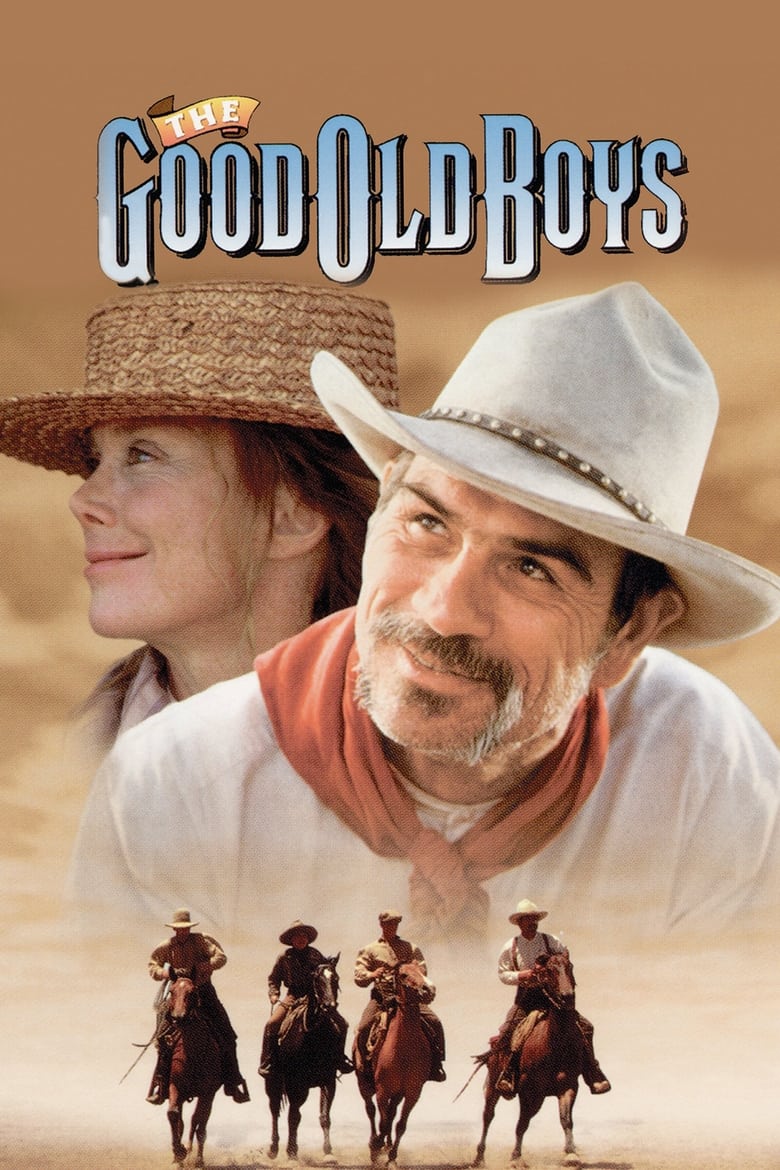
The Good Old Boys
1995
PG-13Director
Tommy Lee Jones
Runtime
118 minutes
Average Rating
No ratings yetSynopsis
An aging cowboy must choose between his desire to remain free and the responsibilities of maintaining a family.
Where to Watch
Diversity & Representation
Overall Score
Limited
Category Breakdown
LGBTQ+ Representation
The film lacks visible LGBTQ+ characters or non-cisnormative identities. It operates within a traditional, heteronormative social framework typical of its 1965 Texas setting.
Gender Representation
Narrative focus remains almost exclusively on male law enforcement officers and their brotherhood. Female characters possess minimal presence or agency within these male-dominated spaces.
Racial & Ethnic Diversity
The cast is predominantly white, reflecting the historical context of mid-1960s Texas. The film lacks significant minority characters or intersectional perspectives.
Religious & Cultural Diversity
The story explores the tension between individualistic justice and modern bureaucracy. It maintains a traditionalist view regarding the value of professional law enforcement duty.
Disability Representation
There is no significant evidence of characters with visible or invisible disabilities. Disability is not utilized as a central theme or tool for character development.
Strengths
- Offers a nuanced critique of the friction between individual agency and systemic bureaucracy.
- Provides a sophisticated deconstruction of the American West mythos through character studies.
Areas for Improvement
- Lacks representation of LGBTQ+ identities or non-cisnormative gender expressions.
- Features minimal female agency, centering the plot almost entirely on male interactions.
- Provides very little racial or ethnic diversity, reflecting a homogenous historical setting.
AI Analysis
The Good Old Boys is a character-driven study of aging and institutional transition that prioritizes traditional masculine archetypes. While it offers a sophisticated critique of modern bureaucracy, the narrative remains anchored in historical realism rather than intersectional representation. The film's architecture centers on male-dominated spaces and professional histories, leaving little room for diverse perspectives. This focus on traditional social and professional bonds limits the breadth of the storytelling.
Rate this Movie
Reviews
No reviews yet. Be the first to share your thoughts on this movie!
Use the rating form above to leave a star rating and optional review.