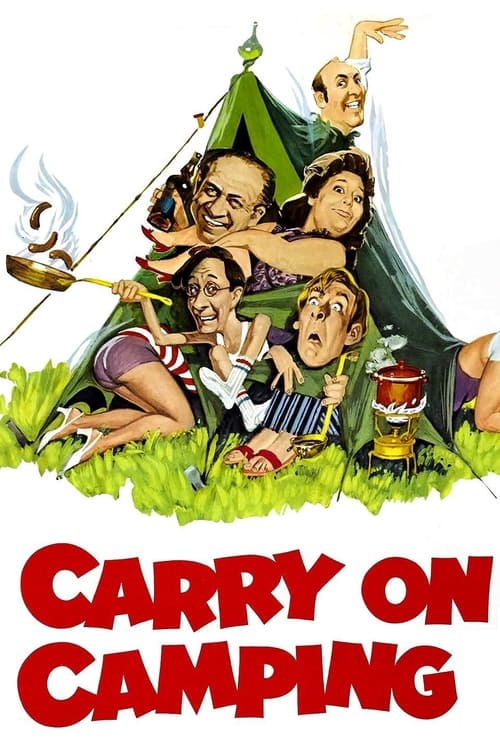
Carry On Camping
1969
No user ratings available yet
Representation score: 1.9 out of 10
Representation Score
Minimal
1975
NRDirector
Gerald Thomas
Runtime
90 minutes
Average Rating
No ratings yetNew Showbiz Analysis
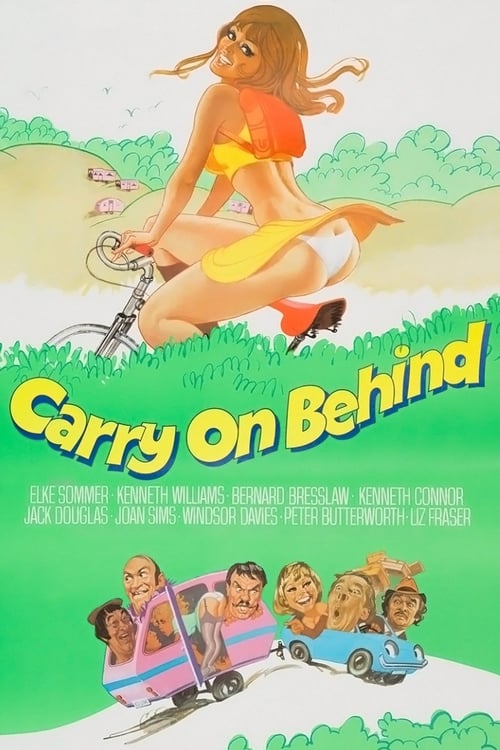
Carry On Behind operates as a quintessential piece of 1970s British farce, leaning heavily on established social archetypes and broad caricatures. The comedic engine is driven by double entendre and situational humor rather than any attempt to challenge common expectations. The film reinforces traditional hierarchies through its characterizations of military officers and professors. It lacks depth reflecting multiple aspects of identity, focusing instead on a homogeneous demographic and conventional gender roles common to the era. Ultimately, the work functions within a narrow social vacuum. It prioritizes irreverent, low-stakes humor over any meaningful representation of diverse identities or systemic social critique.
Category Breakdown
The film relies on traditional sexual clichés and archetypal comedic figures. There is no evidence of queer visibility or narratives that critique the assumption that everyone is straight or cisgender.
The story utilizes conventional gender dynamics, featuring figures like a snobbish mother and a randy Major. While a striptease occurs, women's ability to drive the story remains largely unaddressed.
The setting involves a caravan site, yet the narrative appears to function within a homogeneous, Western-centric social vacuum. No non-white majority casts are indicated.
Comedy is centered around traditional social classes and archetypes. The film prioritizes slapstick and innuendo over any systemic critique or cultural relativism.
The narrative contains no mention of characters with visible or invisible disabilities. No evidence of neurodivergence or physical disability is present.
Present on Screen
Limited or Absent
Official Synopsis
Professors Vooshka and Crump decide to visit an archaeological site to study the artifacts there. Lo and behold, it's right next to a caravan site where all manner of people are staying. With a randy Major owning the site, a snobbish mother, and the two professors' constant innuendos, the story ends with a sinking caravan site and a striptease performance as a replacement for the cabaret night.
1969
1977
1959
1967
1974

1976
1965
1978
No reviews yet. Be the first to share your thoughts on this movie!
Use the rating form above to leave a star rating and optional review.