
Ankle Bone
1968
No user ratings available yet
Representation score: 8.2 out of 10
Representation Score
Fair
1968
Director
Maurice Levy, Harry Wuest
Runtime
81 minutes
Average Rating
No ratings yetNew Showbiz Analysis
She Mob stands out for its proactive disruption of the rigid social norms prevalent in 1968. By centering a lesbian-led criminal enterprise, the film moves queer identity from the periphery to the core of the plot's ability to act. The film also challenges traditional gender hierarchies. Instead of following standard formulas, it portrays women as organized leaders and primary aggressors, even placing men in the role of the victim. However, the film's impact is limited by a lack of visible racial or ethnic diversity in the available descriptions. While it challenges sexual and gender norms, its broader scope remains unclear.
Category Breakdown
The film centers a lesbian protagonist who leads a criminal gang. This positioning provides queer characters with a level of leadership and influence rarely seen in mid-century cinema.
Women serve as the primary drivers of the story and organized criminality. The narrative challenges traditional hierarchies by making a male character the victim of a female-led group.
There is no explicit information regarding the racial or ethnic composition of the inmates or the private investigator. Consequently, the diversity of these groups remains unverified.
The story explores themes of systemic disruption and the breakdown of social order. It focuses on criminal rebellion and the subversion of traditional domestic stability.
The provided details do not contain information regarding characters with physical, sensory, or neurodivergent disabilities.
Present on Screen
Limited or Absent
Official Synopsis
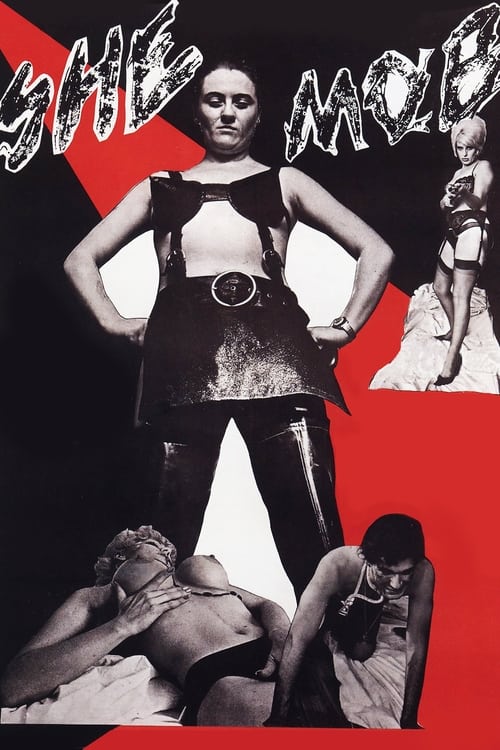
Big Shim is the cone-bra-wearing butch leader of a wild girl gang that’s running from the law. After kidnapping a gigolo, she and the girls demand a ransom from his wealthy lady keeper . . . OR ELSE!!
1968
1970

1984
1972
1974

1988
1967

1956
No reviews yet. Be the first to share your thoughts on this movie!
Use the rating form above to leave a star rating and optional review.