No One Killed Jessica
2011
No user ratings available yet
Representation score: 7.7 out of 10
Representation Score
Good
2025
Director
Asoka Handagama
Average Rating
No ratings yetNew Showbiz Analysis
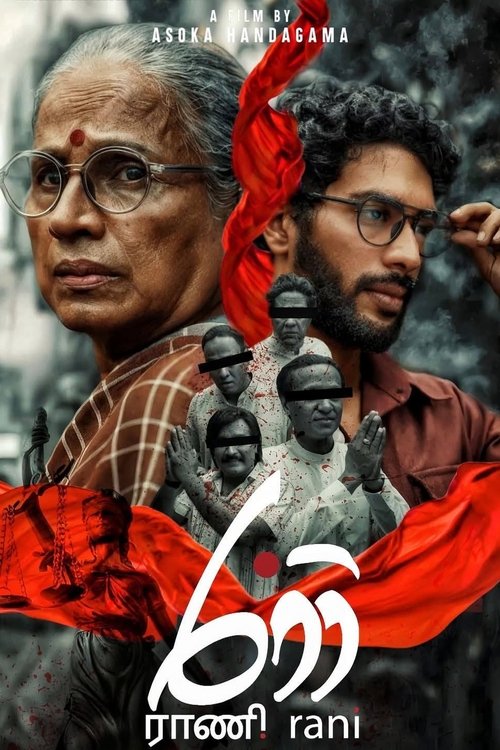
Rani stands out by centering a woman's ability to act within a high-stakes political thriller. Instead of focusing on the mechanics of a crime, the film examines the systemic failures of the state through the lens of a grieving mother's pursuit of justice. The film's strength lies in its intellectual depth and its potential to deconstruct traditional power dynamics. By focusing on the human rights activism of a victim, it moves beyond simple genre clichés to offer a sophisticated social critique. While the narrative appears culturally rich and gender-progressive, specific details regarding LGBTQ+ and disability representation are absent. The film's impact relies heavily on its engagement with socio-political stratification and institutional corruption.
Category Breakdown
The film does not explicitly include LGBTQ+ characters or explore non-cisgender identities. However, the director's history of addressing underrepresented identities suggests the narrative may touch on broader social issues.
Dr. Manorani Saravanamuttu is a strong female lead who drives the story intellectually. Her quest for justice challenges traditional gender roles by placing a woman at the center of a political crime drama.
Set in Sri Lanka, the film explores ethnic and social divisions. It critiques how systemic structures affect diverse populations within the 1990s political context.
The film challenges state-centric morality by portraying institutions as corrupt or oppressive. It focuses on systemic critique and the individual's struggle against established power structures.
There is no evidence regarding the portrayal of physical or neurodivergent disabilities in the current synopsis.
Present on Screen
Limited or Absent
Official Synopsis
The film follows Dr. Manorani Saravanamuttu's relentless pursuit of justice after the tragic abduction and murder of her son, Richard de Zoysa, a journalist, writer, and human rights activist, in 1990.
2011

2016
2026
2009
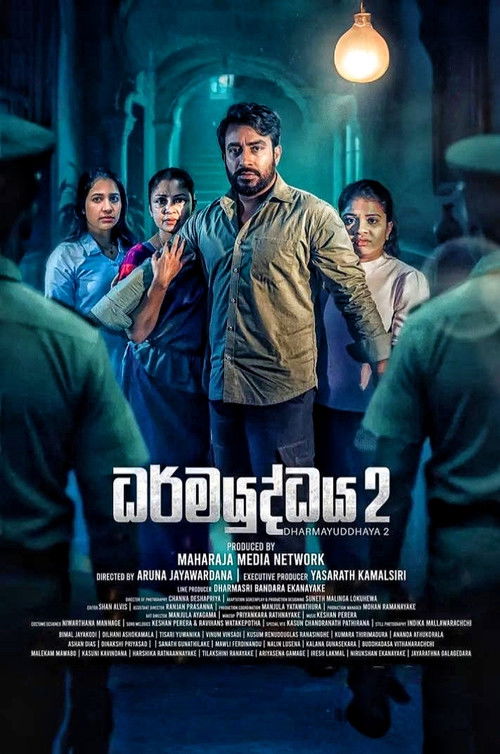
2026
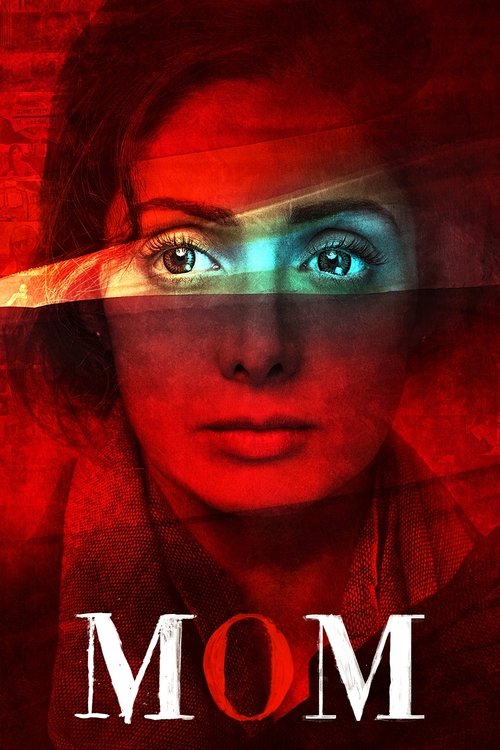
2017
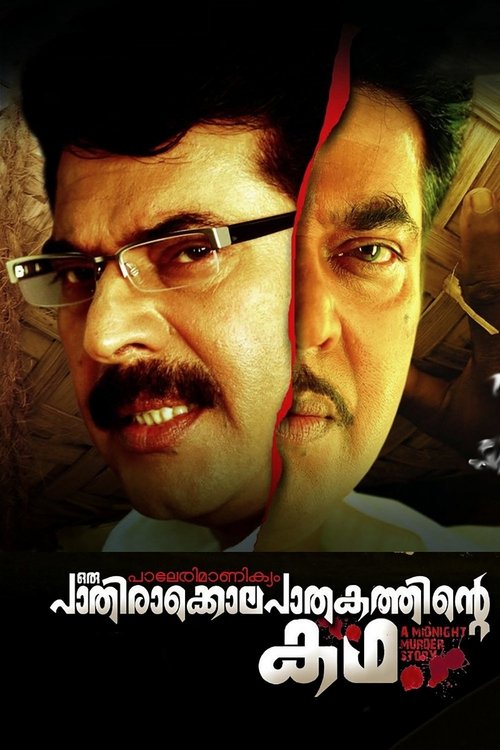
2009
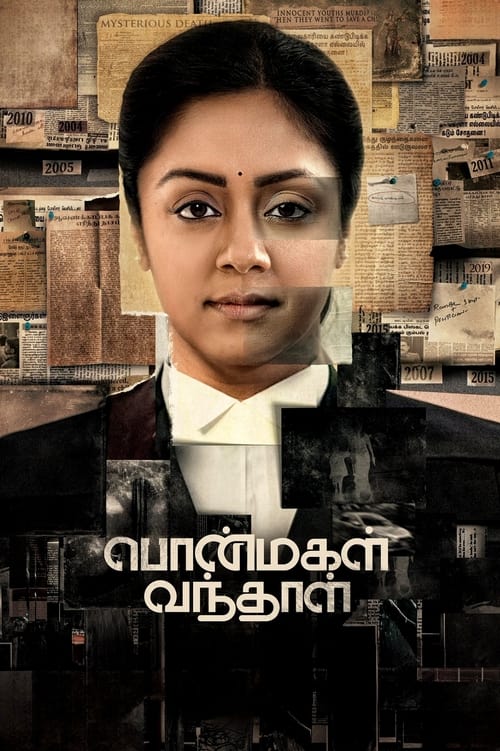
2020
No reviews yet. Be the first to share your thoughts on this movie!
Use the rating form above to leave a star rating and optional review.