
A Taste of Killing and Romance
1994
No user ratings available yet
Representation score: 2.7 out of 10
Representation Score
Limited
1982
Director
Terry Tong Gei-Ming
Runtime
92 minutes
Average Rating
No ratings yetNew Showbiz Analysis
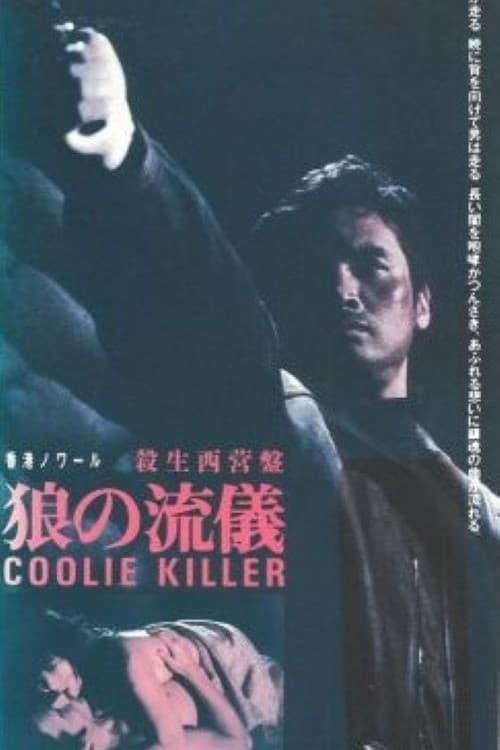
Coolie Killer is a traditional Hong Kong action-thriller that focuses on genre conventions rather than sociopolitical commentary. The plot follows a male protagonist navigating a violent professional world, emphasizing survival and retribution. While the film highlights regional representation through its Hong Kong setting and non-Western cast, it remains a conventional genre piece. It does not challenge social hierarchies or provide complex, multi-layered character development. The film adheres to the era's standard archetypes, particularly regarding gendered roles and moral binaries, making it a product of its time rather than a work of systemic critique.
Category Breakdown
The film follows a traditional structure that assumes everyone is straight or cisgender. It does not depict any non-traditional gender identities or same-sex relationships.
The story revolves around a male protagonist in a violent, male-dominated environment. Although Tong offers important support, her role aligns with traditional female archetypes where her influence is tied to the male lead.
As a Hong Kong production, the film showcases a predominantly non-Western cast. However, it uses ethnicity primarily as a regional identifier rather than exploring deeper multi-layered themes.
The narrative depends on established legal and moral binaries between assassins and law enforcement. It does not significantly challenge capitalist structures or traditional institutions.
There is no indication of characters dealing with physical or neurodivergent disabilities in the provided story details.
Present on Screen
Limited or Absent
Official Synopsis
Ko leads a team of Hong Kong assassins that are taken out one by one. Ko manages to flee to the countryside, where he aims to find out who's behind this and to gain the strength to fight back. Helping him is local girl Tong, whilst chasing Ko is the long arm of the law, represented by cop Chung.
1994

1987
1996
1987
1994
1991
1988
1973
No reviews yet. Be the first to share your thoughts on this movie!
Use the rating form above to leave a star rating and optional review.