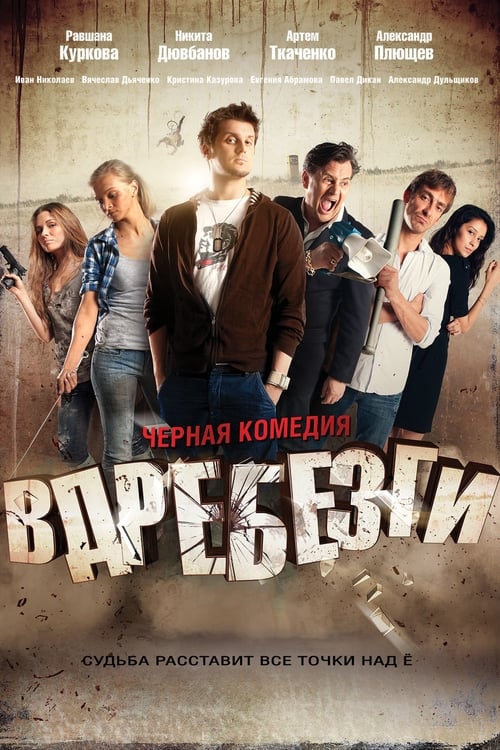
Smithereens
2011
No user ratings available yet
Representation score: 4.5 out of 10
Representation Score
Limited
2005
Director
Pyotr Khazizov
Runtime
70 minutes
Average Rating
No ratings yetNew Showbiz Analysis
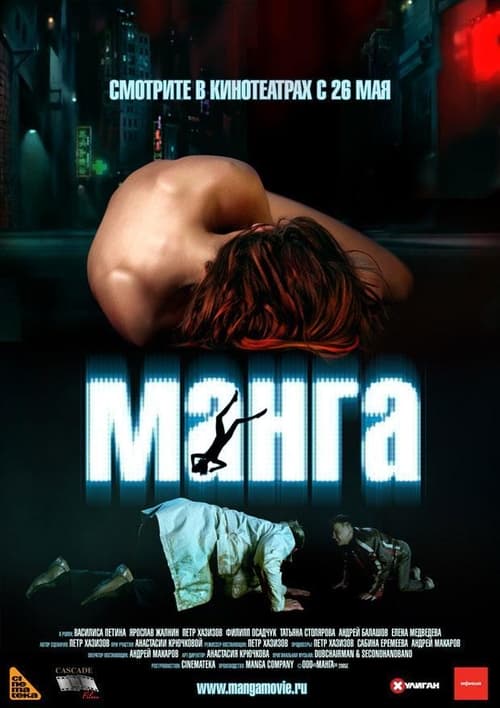
Манга is a fragmented, postmodern thriller that emphasizes the subversion of traditional moral frameworks over broad demographic representation. It challenges binary notions of heroism and victimhood through its chaotic, non-conforming characters. While the film explores non-traditional masculinity and complicates gender roles, it lacks significant racial or ethnic diversity. The narrative focuses more on situational ethics and urban instability than on diverse casting. Ultimately, the work functions as a character study of social disruption rather than a vehicle for systemic diversity, emphasizing moral ambiguity over inclusive demographic storytelling.
Category Breakdown
The film includes Alik, a metrosexual writer who doesn't conform to typical masculine roles. However, the story does not explicitly confirm a queer identity or emphasize same-sex relationships.
Alisa plays a key role, evolving from a public figure to someone dealing with trauma. The inclusion of a metrosexual male character adds complexity to traditional gender roles.
The cast and setting appear to reflect a homogeneous social environment. There is no evidence of intentional racial blending or diverse demographic representation within the production.
The film questions traditional moral values and societal stability by presenting urban dysfunction and ambiguity as central themes.
The story does not feature characters with visible or invisible disabilities that play significant roles.
Present on Screen
Limited or Absent
Official Synopsis
This is a fractured tale of Kiwi (Iaroslav Zhalnin), a teen thief with a penchant for driving his motorcycle into traffic, playing video games and turning invisible; Alisa (Vasilisa Petina), a young model whose face is splashed all over city billboards and ads, with whom Kiwi grows fixated; and Alik (Khazizov), a metrosexual writer who roller-skates in his cavernous hard-wood-floored apartment and plucks a drunken Alisa after her fateful encounter with Kiwi. Alik, responding to Alisa’s pleas, eventually confronts the pestering Kiwi; a misunderstanding (did he rape her? did he not?) erupts into violence.
2011

2010
2005

1995

2009
1993

2007

1994
No reviews yet. Be the first to share your thoughts on this movie!
Use the rating form above to leave a star rating and optional review.