
Yesterday's Hero
1979
No user ratings available yet
Representation score: 2.1 out of 10
Representation Score
Limited
1969
PG-13Director
Tom Gries
Runtime
100 minutes
Average Rating
No ratings yetNew Showbiz Analysis
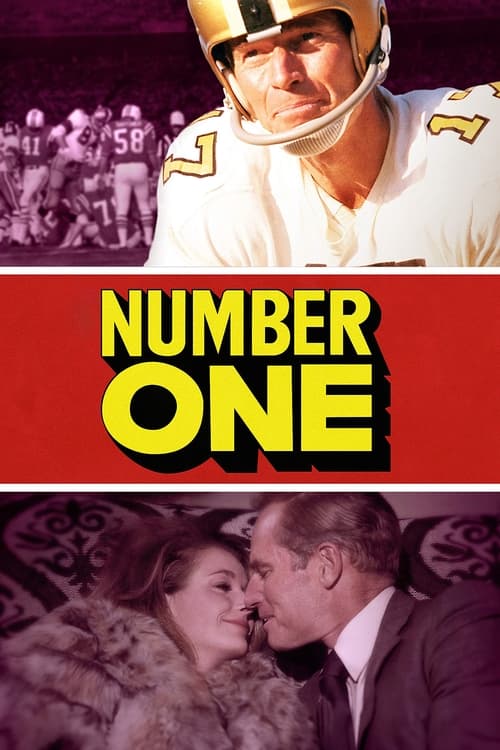
Number One is a traditional mid-century character drama that emphasizes individual struggle over broader social critiques. The narrative structure revolves around a single male protagonist's decline, offering little space for complex, layered characters. The film adheres to the social and demographic norms of 1969, lacking representation of diverse ethnic backgrounds, LGBTQ+ identities, or characters with disabilities. It follows established clichés rather than challenging existing social hierarchies.
Category Breakdown
The film does not include characters with LGBTQ+ identities or stories that challenge the assumption that everyone is straight or cisgender. It follows the social norms of the late 1960s.
The story focuses heavily on male athletes and their psychological struggles. Women appear as supporting roles rather than as independent characters with their own goals.
The film reflects the homogeneous casting practices of 1969, with no characters from diverse ethnic backgrounds.
The narrative centers on individual morality and addiction, without critiquing Western institutions, capitalism, or organized religion.
The protagonist's physical decline serves a traditional dramatic purpose. There is no nuanced portrayal of characters with disabilities.
Present on Screen
Limited or Absent
Official Synopsis
A former football hero cannot accept his career is over. He loses himself in alcohol and women.
1979

1963
1967

1962
1951
1963

1970

1974
No reviews yet. Be the first to share your thoughts on this movie!
Use the rating form above to leave a star rating and optional review.