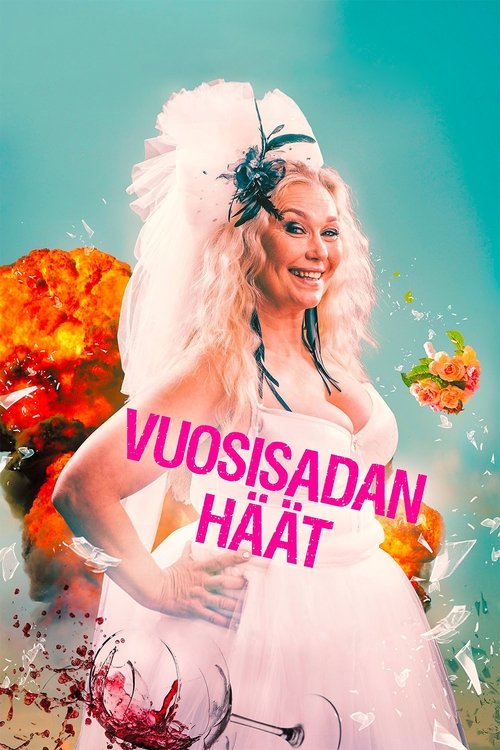
Wedding of the Century
2021
No user ratings available yet
Representation score: 7.9 out of 10
Representation Score
Fair
2013
PG-13Director
Johanna Vuoksenmaa
Runtime
93 minutes
Average Rating
No ratings yetNew Showbiz Analysis
Johanna Vuoksenmaa’s film offers a cerebral departure from standard romantic comedies by focusing on a female academic studying marital failure. While it successfully challenges traditional gender roles and domestic expectations, it lacks broader multi-layered depth. The narrative excels at deconstructing Western social structures and the 'happily ever after' myth. However, the film remains limited by a lack of racial diversity and explicit LGBTQ+ representation, resulting in a narrow social scope. Ultimately, the work is a character-driven study of social norms that prioritizes intellectual ability to act over diverse identity representation.
Category Breakdown
The film does not include explicit LGBTQ+ narratives or non-cisgender identities. Instead, it focuses on challenging traditional heterosexual relationships within the home.
Sanna is a strong female lead who emphasizes intelligence over domestic duties. Her role as an academic researcher challenges typical passive portrayals of women in romantic comedies.
The production seems to be a localized social study without a diverse cast. There is no significant blending of races within the narrative.
The film questions the sanctity of the nuclear family through a secular, academic lens. It prioritizes intellectual inquiry over traditional religious or matrimonial ideals.
There is no documented evidence regarding the portrayal of physical or neurodivergent disabilities in this film.
Present on Screen
Limited or Absent
Official Synopsis
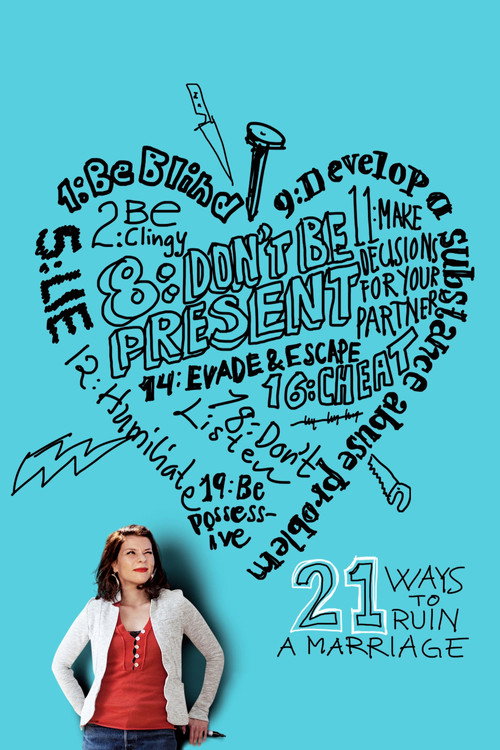
The film follows Sanna, who sets out to document the countless ways there are to ruin a marriage for her doctoral thesis.
2021

2012

2006
1996
2006
2005

2009
2020
No reviews yet. Be the first to share your thoughts on this movie!
Use the rating form above to leave a star rating and optional review.