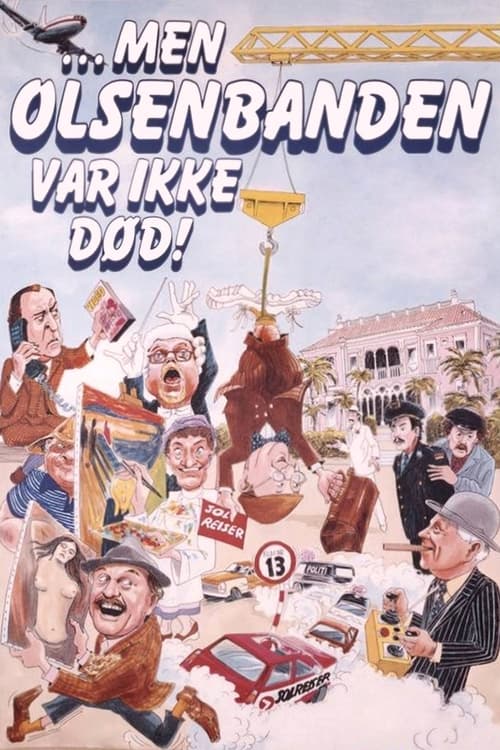
But The Olsen Gang Was Not Dead!
1984
No user ratings available yet
Representation score: 3.1 out of 10
Representation Score
Limited
1999
Director
Knut Bohwim
Runtime
90 minutes
Average Rating
No ratings yetNew Showbiz Analysis
The film operates as a traditional caper comedy that prioritizes genre continuity and character familiarity over progressive representation. It relies on established archetypes that maintain the social status quo of its era. While the narrative critiques bureaucratic inefficiency, it does so through a 'lovable rogue' lens rather than challenging systemic hierarchies. The production remains culturally specific and demographically homogeneous. Ultimately, the work functions as a regional genre piece that lacks the intentionality required to engage with diverse identities or subvert traditional social structures.
Category Breakdown
The film does not include any visible representation of LGBTQ+ identities. The story stays within traditional heterosexual and cisgender norms without exploring sexual diversity.
The story focuses on a male-driven trio, reinforcing traditional gender hierarchies. Female characters like Yvonne provide support but occupy secondary, domestic roles rather than driving the plot.
The cast is predominantly homogeneous, reflecting a specific Danish cultural context. There is no evidence of intentional racial diversity within the central ensemble.
The film offers a lighthearted critique of state bureaucracy and institutional authority. This serves as a comedic engine rather than a formal critique of systemic issues.
There is no significant focus on neurodivergence or physical disability. Characters are defined by criminal archetypes and age rather than disability-driven actions.
Present on Screen
Limited or Absent
Official Synopsis
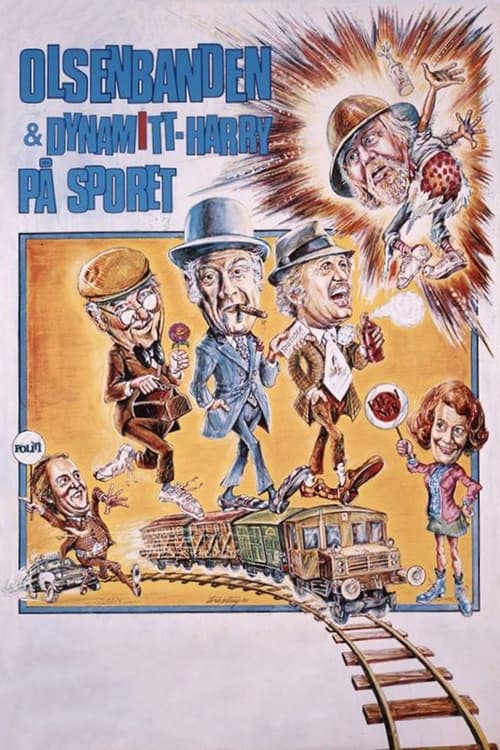
Fifteen years after they last saw each other, Benny, Valborg and Dynamitt-Harry discovers that Egon Olsen is out of prison and living in a retirement home. Olsenbanden is reunited, and Egon has a plan.
1984
2002
1982

2009

1969
2002
1977
1991
No reviews yet. Be the first to share your thoughts on this movie!
Use the rating form above to leave a star rating and optional review.