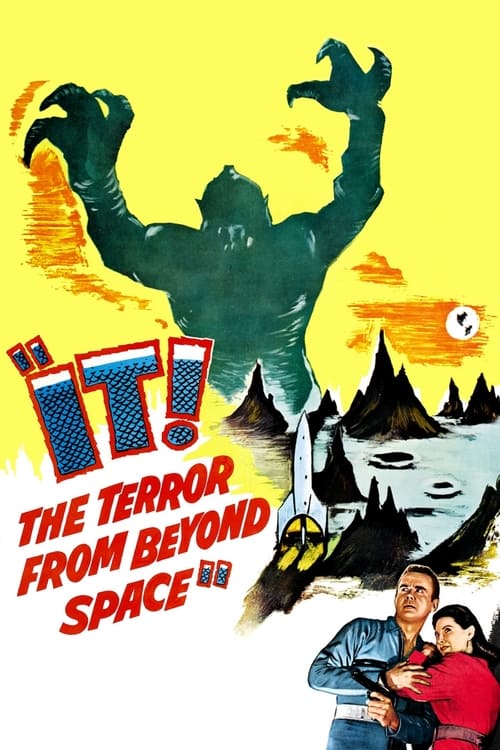
It! The Terror from Beyond Space
1958
No user ratings available yet
Representation score: 2.0 out of 10
Representation Score
Minimal
1965
NRDirector
Mario Bava
Runtime
88 minutes
Average Rating
No ratings yetNew Showbiz Analysis
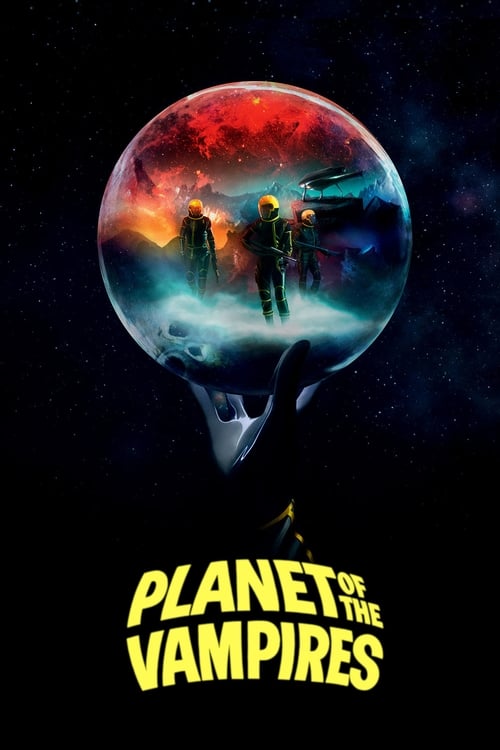
Mario Bava’s science fiction horror film focuses on sensory deception and the breakdown of rational thinking. The film prioritizes creating an atmosphere of tension and individual paranoia over engaging with multi-layered identities or social deconstruction. The narrative adheres to traditional 1960s genre conventions. It lacks representation of LGBTQ+ identities, diverse racial backgrounds, or characters with disabilities, remaining a product of its era's conventional representational standards. While the film includes women in professional scientific roles, it does not actively challenge established gender hierarchies or use these roles to critique power dynamics.
Category Breakdown
The film does not include any LGBTQ+ identities or queer-coded character arcs. The interpersonal dynamics center around a typical group of explorers without challenging traditional gender roles.
Female characters such as Teresa Nielsen hold technical roles within the scientific team. However, the film follows a 1960s framework that upholds traditional gender hierarchies.
The cast is made up of a homogeneous group of European-descended astronauts. The film reinforces Western-centric casting norms and does not use non-human species to symbolize ethnic diversity.
The narrative centers on psychological breakdown and survival, avoiding critiques of Western institutions or religion. Social collapse is driven by environmental paranoia rather than broader societal issues.
There are no characters with visible or invisible disabilities portrayed with significant influence. Struggles are primarily psychological and sensory, driven by the planet's hallucinogenic atmosphere.
Present on Screen
Limited or Absent
Official Synopsis
After landing on a mysterious planet, a team of astronauts begin to turn on each other, swayed by the uncertain influence of the planet and its strange inhabitants.
1958
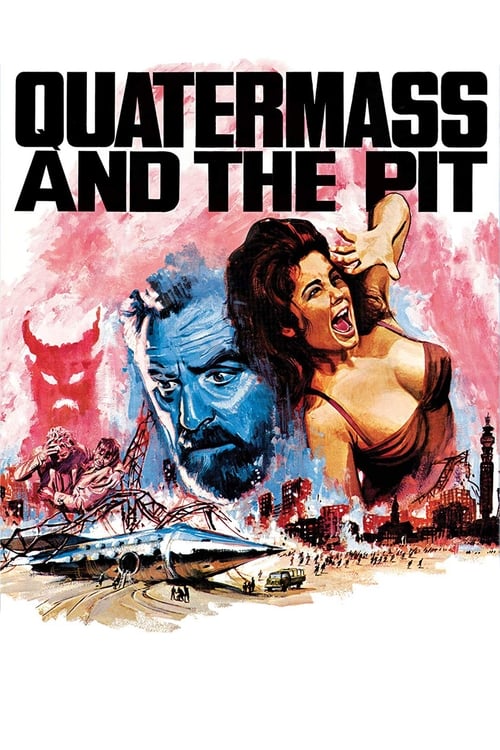
1967
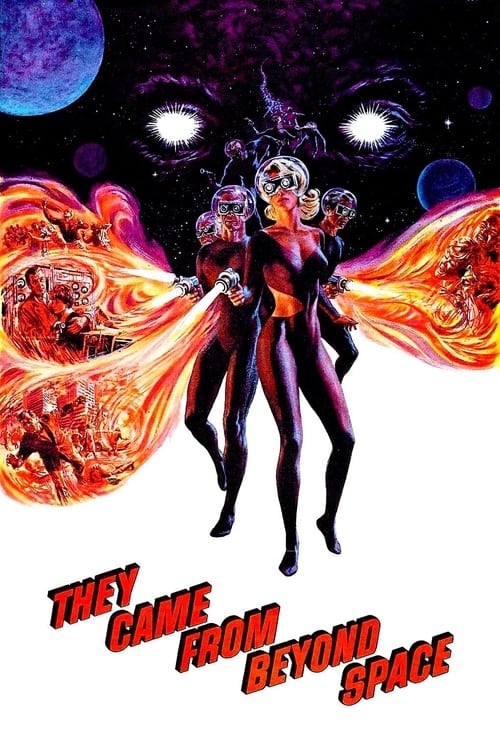
1967
1955
1966

1953
1959

1963
No reviews yet. Be the first to share your thoughts on this movie!
Use the rating form above to leave a star rating and optional review.