
Awake
2019
No user ratings available yet
Representation score: 4.4 out of 10
Representation Score
Fair
2007
Director
Dejan Zečević
Runtime
103 minutes
Average Rating
No ratings yetNew Showbiz Analysis
The film is a genre-driven thriller that prioritizes psychological tension and political intrigue over social representation. Its narrative structure emphasizes traditional masculine hierarchies and institutional power struggles. While the story introduces moral ambiguity and war criminality, it does so through individual trauma rather than a broader framework of characters who reflect more than one aspect of diversity. The focus remains on identity and systemic corruption within a specific geopolitical context.
Category Breakdown
The film follows traditional family structures and masculine power dynamics without representing LGBTQ+ identities.
The story is driven by male-dominated institutions and figures. Female characters are passive subjects of tragedy.
The story focuses on ethnic conflicts in the Balkans, emphasizing regional political tensions over multicultural representation.
The film explores systemic corruption and moral ambiguity within state institutions. It challenges heroic clichés by revealing the protagonist's involvement in war crimes.
Amnesia and a post-coma state serve as central plot devices, facilitating the thriller genre without a nuanced portrayal of neurocognitive impairment.
Present on Screen
Limited or Absent
Official Synopsis
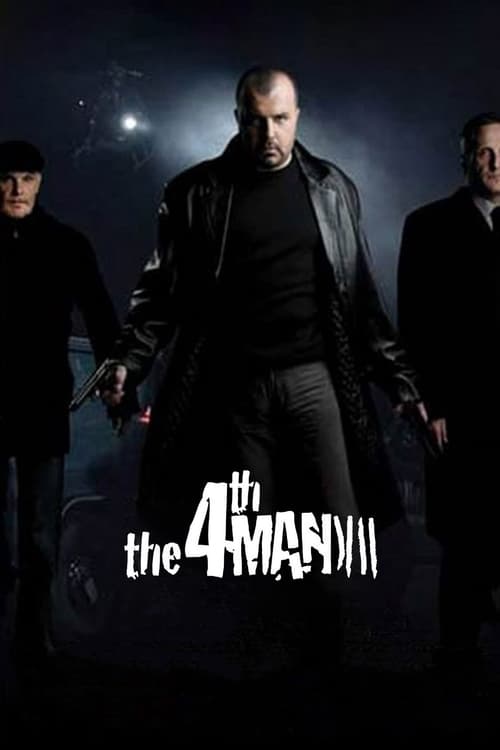
A man awakens from a two-month-long coma. Total amnesia. A bullet fired point blank. He doesn't remember anything. He's told that he had a wife and a son. They've been killed. He's revealed his past identity by the Colonel, who insists they are best friends. He's a Major of the Military Security Agency. An inspector from the State Security Agency appears affirming that he has information on people responsible for the massacre of his family. The Major is discharged from the hospital. He tries to patch together a normal life but is confronted with emptiness and despair. His only chance of discovering his identity and the assassin of his family is to accept the game that the Inspector has set up for him with the Businessman, the Mafioso and the Politician. He agrees... Discovers that he was a war criminal... Realizes who took a shot at him... Finds out who killed his family... Discovers the Fourth Man!
2019
2020
2010
1991
2008
1998

2004
2013
No reviews yet. Be the first to share your thoughts on this movie!
Use the rating form above to leave a star rating and optional review.