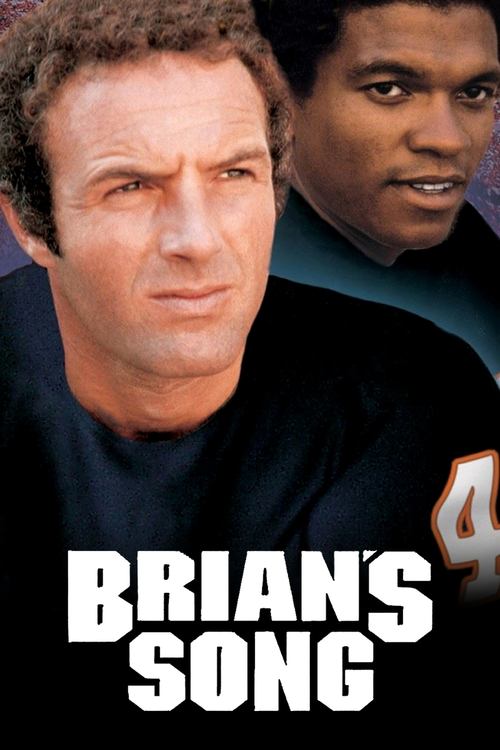
Brian's Song
1971
No user ratings available yet
Representation score: 2.5 out of 10

Representation Score
Limited
2001
NRDirector
John Gray
Runtime
88 minutes
Average Rating
No ratings yetNew Showbiz Analysis
Brian's Song is a traditional biographical drama that highlights the lived experiences of racial integration. By focusing on Gale Sayers, the film offers a nuanced look at Black athletes in a historically white-dominated sport. However, the film remains tied to conservative social norms. It adheres to traditional gender roles and hyper-masculine stereotypes, which limit its progressive impact. Its reliance on mid-century social norms results in a traditionalist narrative approach. Ultimately, the film is a character-driven study of friendship and mortality, avoiding many common clichés about illness while maintaining a focus on historical social norms.
Category Breakdown
The film focuses on a close, heterosexual brotherhood and does not include any representation of LGBTQ+ identities or same-sex romantic relationships.
The story unfolds in a hyper-masculine football setting where women are mostly confined to domestic or supportive roles.
The narrative centers on Gale Sayers' experience, providing meaningful representation of a Black athlete and exploring racial dynamics with depth and significance.
The film upholds traditional Western values such as resilience and friendship, operating within established social structures without challenging them.
The portrayal of Brian Piccolo's struggle with cancer avoids overly sentimental or inspirational themes, presenting the illness with a realistic and somber tone.
Present on Screen
Limited or Absent
Official Synopsis
The story of professional football players Gale Sayes and Brian Piccolo, and how their friendship on and off the field was affected when Piccolo contracted a fatal disease
1971

1993

1991

2001
1956
1985
2002

1983
No reviews yet. Be the first to share your thoughts on this movie!
Use the rating form above to leave a star rating and optional review.