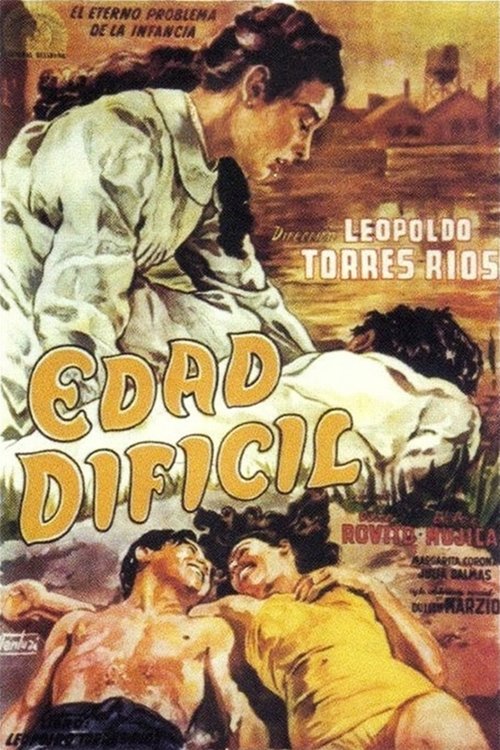
Edad difícil
1956
No user ratings available yet
Representation score: 1.5 out of 10
No Poster Available
Representation Score
Limited
1965
Director
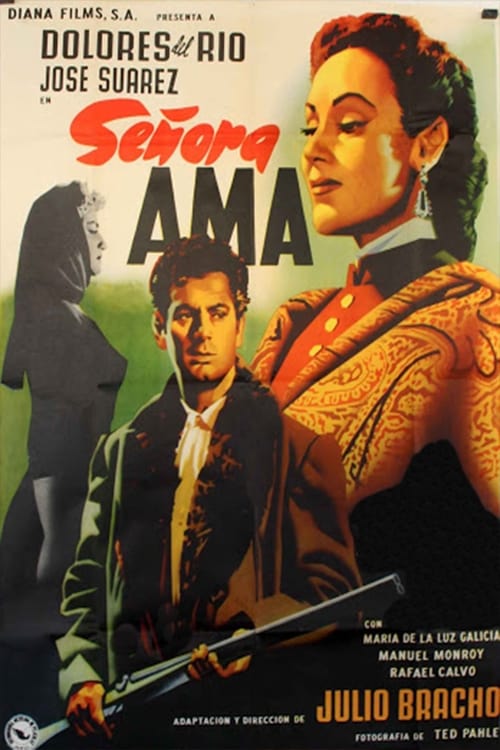
Julio Bracho
Runtime
87 minutes
Average Rating
No ratings yetNew Showbiz Analysis
Julio Bracho’s film is a significant cultural artifact of the Golden Age of Mexican cinema, yet it remains a conventional product of its time. The film upholds established social hierarchies and traditional melodrama, lacking the intentionality needed to promote diverse representation or disrupt conventional social norms. The narrative structure reinforces the status quo, focusing on romantic and familial structures that align with 1960s social expectations. It fails to challenge or subvert these norms.
Category Breakdown
The film does not include any depictions of non-binary gender identities or same-sex relationships. It follows the traditional heterosexual romantic structures common in 1960s Mexican melodrama.
Female characters like Ofelia Montesco play important roles, but the film relies on traditional feminine stereotypes. The story reinforces existing gender roles rather than challenging them.
The film portrays a relatively homogeneous picture of Mexican middle or upper-class society. There is no indication of significant racial mixing within the narrative.
The story operates within traditional moral frameworks, emphasizing family unity and religious values. It does not challenge the prevailing Western or Christian institutional norms of the time.
There are no characters with physical or neurodivergent disabilities in the film.
Present on Screen
Limited or Absent
1956
1971
1955
1960
1983
No reviews yet. Be the first to share your thoughts on this movie!
Use the rating form above to leave a star rating and optional review.