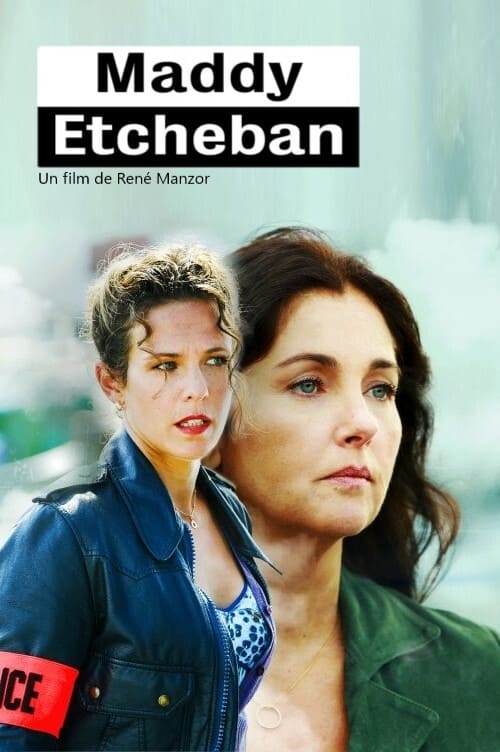
Murder in Basque Country
2020
No user ratings available yet
Representation score: 5.3 out of 10
Representation Score
Good
2008
Director
John Harrison
Runtime
86 minutes
Average Rating
No ratings yetNew Showbiz Analysis
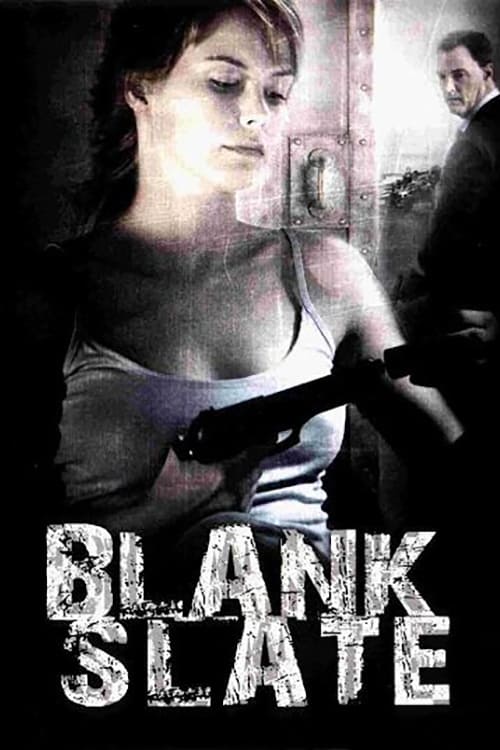
Blank Slate is a psychological thriller that focuses on questions of consciousness and identity rather than social commentary. It places a woman in a position of professional authority, yet the film adheres closely to traditional thriller conventions. The narrative's strength lies in its exploration of memory manipulation and neurodivergence. However, it lacks the depth needed to address broader social issues or provide a critical look at systemic structures. Overall, the film is a character study of neurodivergence and memory, but it does not significantly engage with broader social or cultural representation.
Category Breakdown
The film centers on the protagonist's internal journey with identity. There is no clear indication of narratives that stereotype LGBTQ+ individuals or recognize non-binary gender identities.
A female protagonist leads the investigative plot through her role in a secret FBI unit. She holds professional power but her actions are constrained by the state's rules and structures.
The story does not show significant racial diversity or multi-layered casting. The production seems to follow typical genre casting without notable efforts to include diverse demographics.
The story examines the blurred lines between reality and digital simulations. This approach questions the reliability of truth and institutional memory from a Western perspective.
Amnesia is portrayed as a central neurological issue for the protagonist. The film presents this condition as a lived psychological experience rather than just a plot device for spectacle.
Present on Screen
Limited or Absent
Official Synopsis
An amnesiac, sentenced to Death Row for a murder she can't remember committing, is given a second chance at freedom by the FBI: recruited as part of the secret experimental unit of the FBI's unsolved crimes division, she's implanted with the final memories of murder victims. But while she pursues the leads of other peoples' memories, she is haunted by the distant echoes of her own life... a life she can't remember.
2020
2006
2017
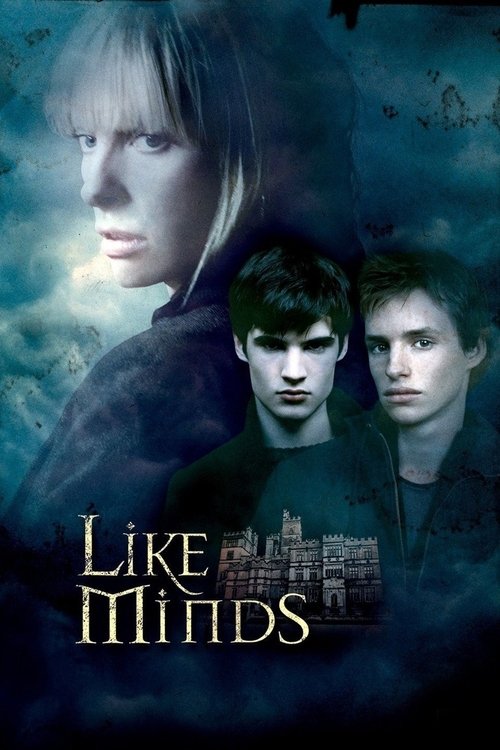
2006
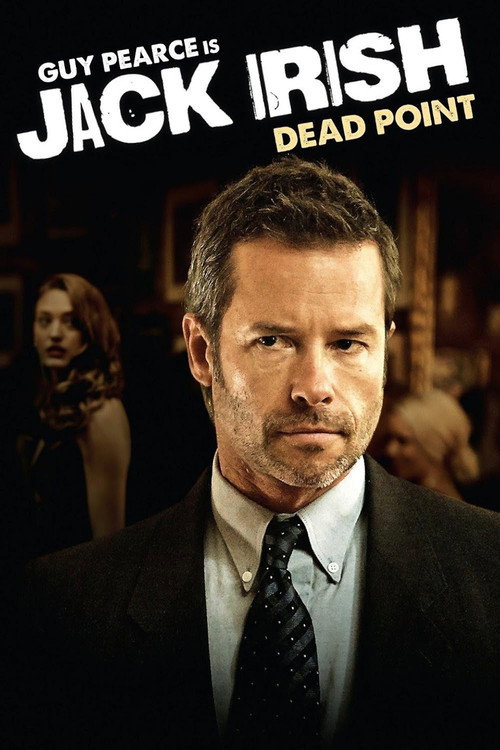
2014
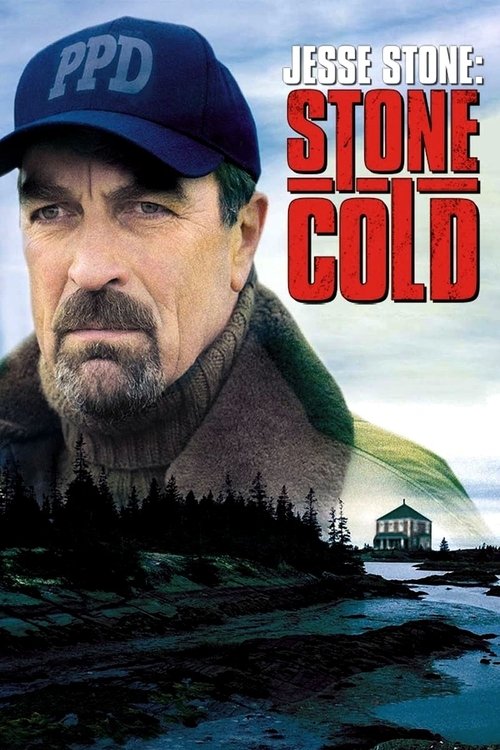
2005
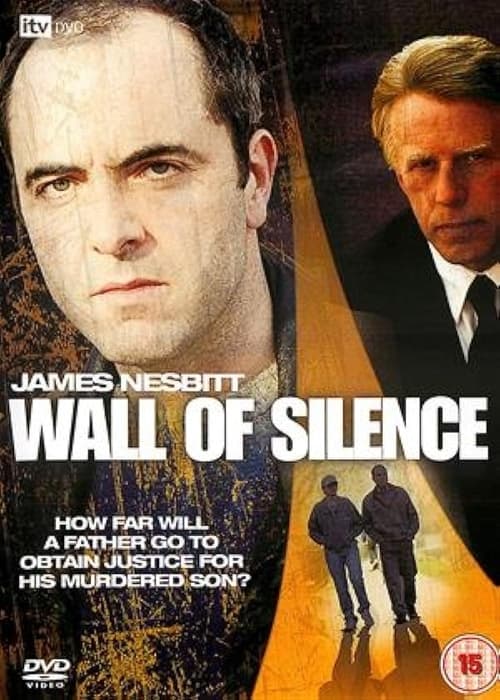
2004
2009
No reviews yet. Be the first to share your thoughts on this movie!
Use the rating form above to leave a star rating and optional review.