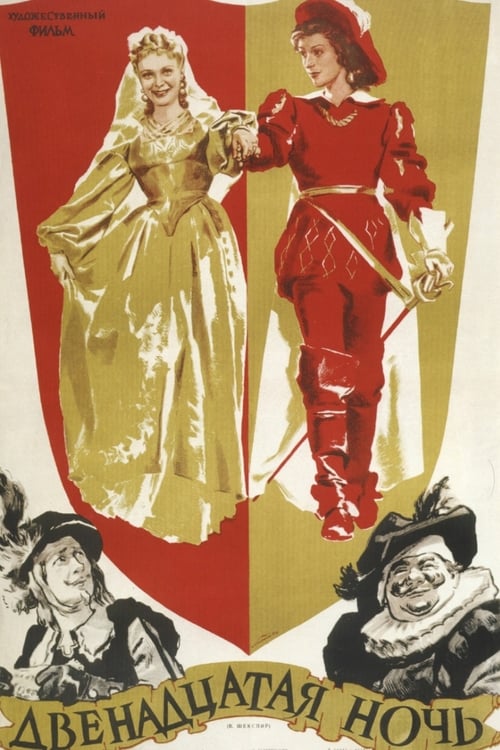
Twelfth Night
1955
No user ratings available yet
Representation score: 4.5 out of 10
Representation Score
Fair
1936
NRDirector
Paul Czinner
Runtime
96 minutes
Average Rating
No ratings yetNew Showbiz Analysis
Paul Czinner's adaptation stands out for its innovative handling of gender dynamics. By highlighting a woman's intellectual prowess and strategic acumen, the film challenges the patriarchal norms of its time. However, the film's lack of racial and cultural diversity reflects the homogeneity of its era and the source material's European aristocratic focus. Ultimately, the film contrasts its fluid approach to gender with a more traditional stance on racial representation.
Category Breakdown
The film explores Rosalind's masculine identity through her Ganymede persona, offering a non-traditional portrayal of gender. Although the romantic conclusion aligns with heterosexual norms, the character's journey challenges conventional gender roles.
Rosalind asserts herself as intellectually superior to her male peers, occupying positions of power typically reserved for men. Her male disguise allows her to overcome traditional stereotypes of passive femininity.
The production reflects the social constraints of 1936, featuring an entirely white, European cast. There are no intentional efforts toward color-blind casting or racial blending within the narrative.
The film critiques the rigid structures of courtly life through a pastoral setting. However, the moral resolution upholds classical romantic ideals without challenging them fundamentally.
The film does not feature any characters with visible or invisible disabilities, portraying individuals within the standard physical and cognitive norms of the genre.
Present on Screen
Limited or Absent
Official Synopsis
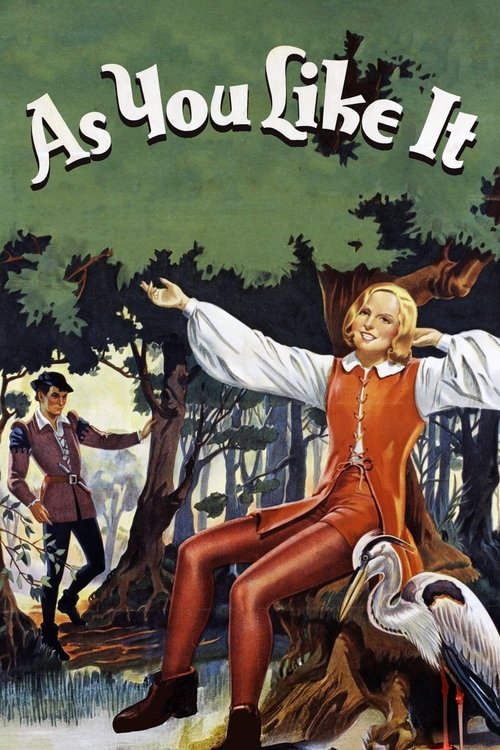
Film version of Shakespeare's comedy of a young woman who disguises herself as a man to win the attention of the one she loves.
1955
1952
1957
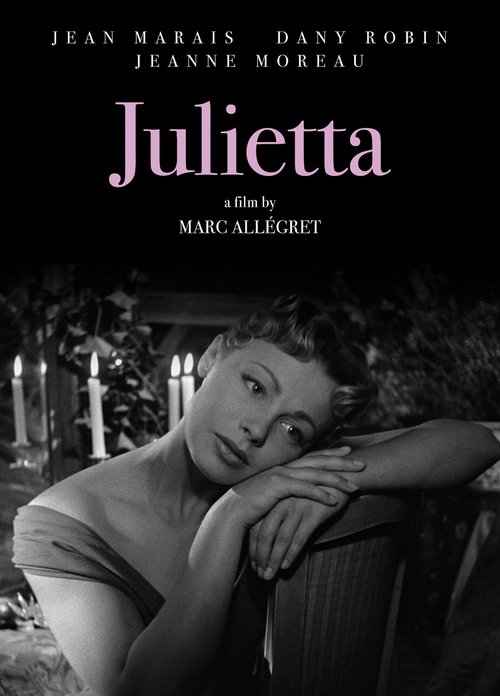
1953

1932
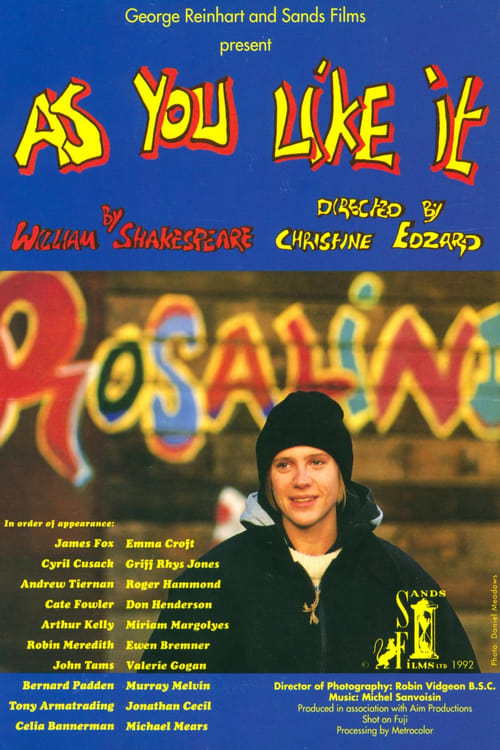
1992
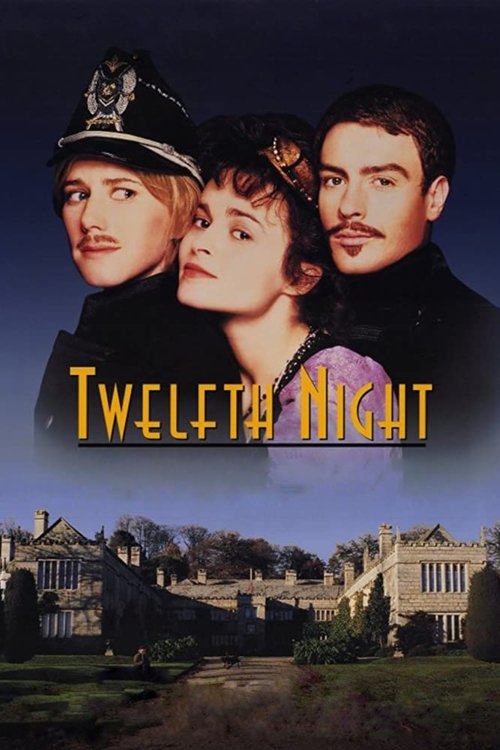
1996
1931
No reviews yet. Be the first to share your thoughts on this movie!
Use the rating form above to leave a star rating and optional review.