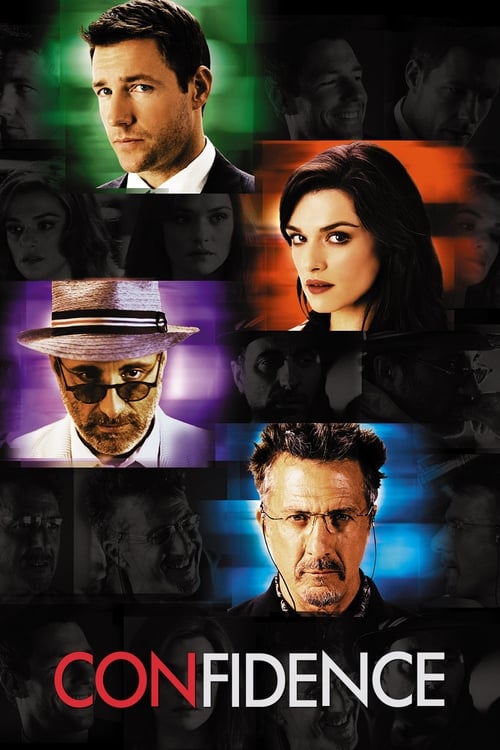
Confidence
2003
No user ratings available yet
Representation score: 3.1 out of 10

Representation Score
Fair
2008
RDirector
Guy Ritchie
Runtime
114 minutes
Average Rating
No ratings yetNew Showbiz Analysis
RocknRolla is a stylized crime caper that prioritizes genre clichés and postmodern narrative structure over diverse identity representation. While it lacks breadth in LGBTQ+ and disability representation, it offers a complex look at systemic instability. The film excels in its cultural depiction of moral relativism, providing a critique of traditional Western authority through a chaotic, decentralized lens. Ultimately, the film remains a male-dominated exploration of the criminal underworld, focusing more on the friction between different ethnic syndicates than on diverse social identities.
Category Breakdown
The film does not include any visible LGBTQ+ characters or storylines. The social environment focuses on criminal hierarchies that assume everyone is straight or cisgender.
The narrative is heavily male-centric, focusing on hierarchies within male-dominated syndicates. While Stella the accountant is essential, female characters largely operate on the periphery of the male-driven plot.
The film casts actors to represent the ethnic tensions of the London underworld, particularly between British and Russian elements. These cultural differences are used to drive the plot and highlight the friction between immigrants and locals.
The film effectively depicts moral relativism and challenges traditional institutions. It portrays Western legal and capitalist systems as corrupt, favoring characters who navigate their own autonomous codes.
The film does not offer nuanced representation of physical or neurodivergent disabilities. Instead, it uses the 'tortured artist' cliché to depict Johnny Quid's substance abuse.
Present on Screen
Limited or Absent
Official Synopsis
When a Russian mobster sets up a real estate scam that generates millions of pounds, various members of London's criminal underworld pursue their share of the fortune. Various shady characters, including Mr One-Two, Stella the accountant, and Johnny Quid, a druggie rock-star, try to claim their slice.
2003
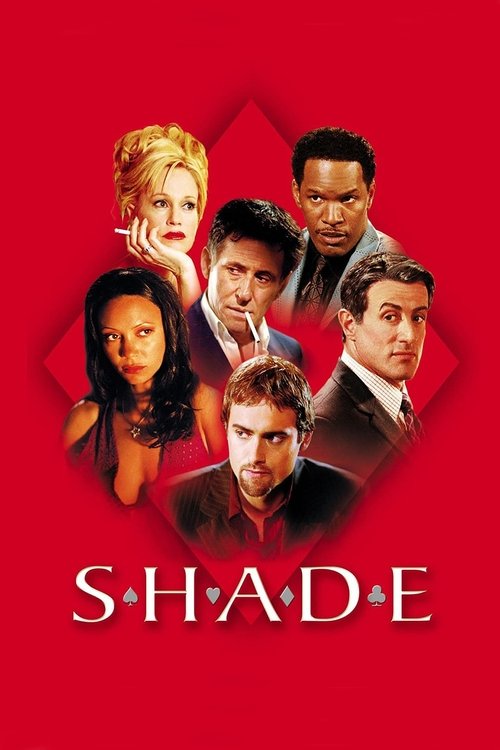
2003

2009
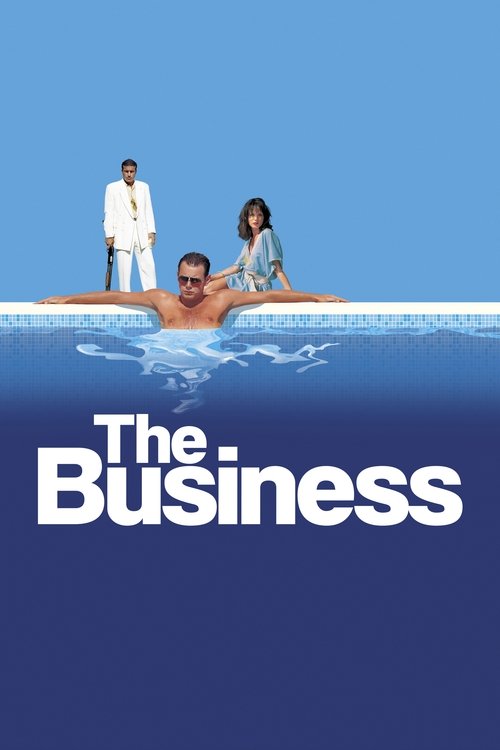
2005

2000
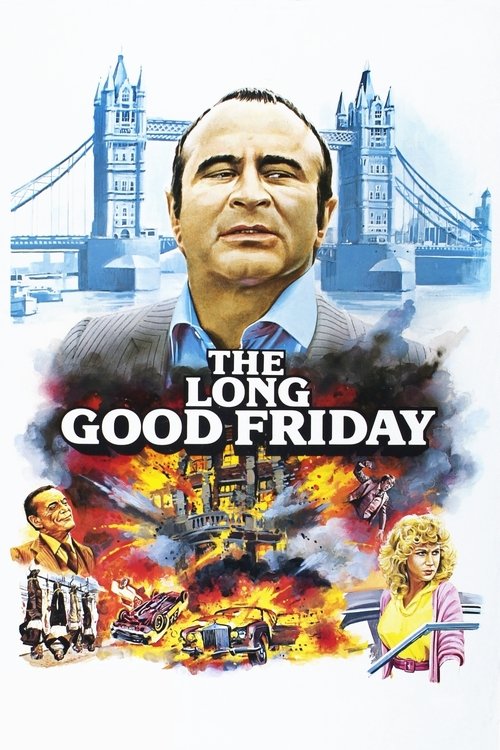
1980
2003
2004
No reviews yet. Be the first to share your thoughts on this movie!
Use the rating form above to leave a star rating and optional review.