Bavel's Book
1996
No user ratings available yet
Diversity score: 5.4 out of 10
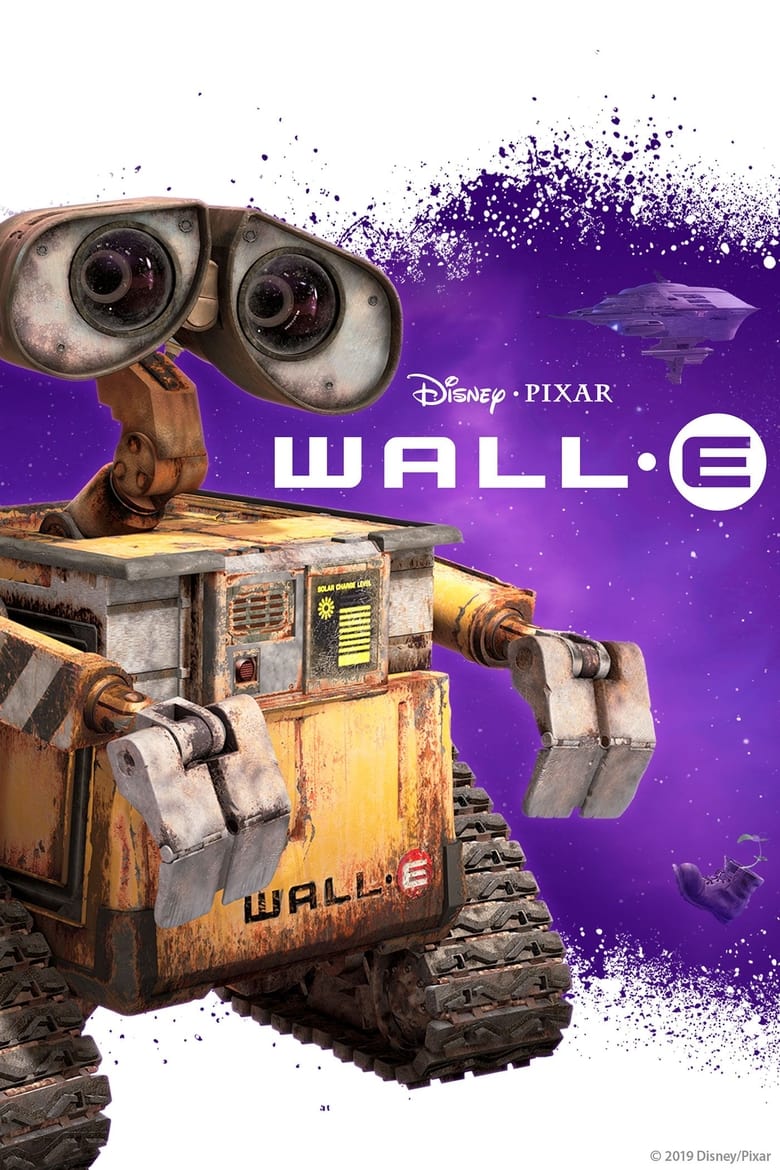
2008
TV-GDirector
Andrew Stanton
Runtime
5 minutes
Average Rating
No ratings yetSynopsis
Short vignettes featured as a DVD Extra Short.
Overall Score
Good
Category Breakdown
LGBTQ+ Representation
The vignettes focus on inanimate objects rather than explicit identities. However, the setting avoids enforcing traditional gendered or sexual hierarchies, providing a neutral space within the broader WALL·E universe.
Gender Representation
By centering on a non-human entity, the work disrupts traditional gendered expectations of leadership and domesticity. The absence of human archetypes subverts typical Western animation roles.
Racial & Ethnic Diversity
The film uses mechanical entities as metaphors for diversity, bypassing biological markers of race. The focus on artifacts suggests a deconstruction of a monolithic, vanished global culture.
Religious & Cultural Diversity
The shorts critique hyper-consumerism by framing industrial remnants as mere curiosities. The narrative prioritizes subjective value and observational spirituality over organized religious or nationalist frameworks.
Disability Representation
WALL·E’s mechanical wear and unique sensory processing can be viewed through the lens of neurodivergence. The character's atypical engagement with the world is portrayed as a sophisticated strength.
Strengths
Areas for Improvement
AI Analysis
As a collection of supplemental vignettes, this work lacks the depth of a standalone feature. It functions primarily as an extension of the original film's themes regarding memory and objecthood. The strength of the piece lies in its ability to bypass traditional human hierarchies. By utilizing a post-human lens, it avoids many of the common pitfalls of racial and gendered stereotyping found in mainstream animation. However, the lack of explicit character identities limits the breadth of its representation. The focus remains on mechanical metaphors and the remnants of a lost civilization rather than diverse human experiences.
1996
2015
1994
2005
2022
2011
2001
2010
2015
2003
1990
1995
No reviews yet. Be the first to share your thoughts on this movie!
Use the rating form above to leave a star rating and optional review.