I Am Woman
2020
No user ratings available yet
Representation score: 5.6 out of 10
Representation Score
Fair
2019
Director
Marc Collin
Runtime
84 minutes
Average Rating
No ratings yetNew Showbiz Analysis
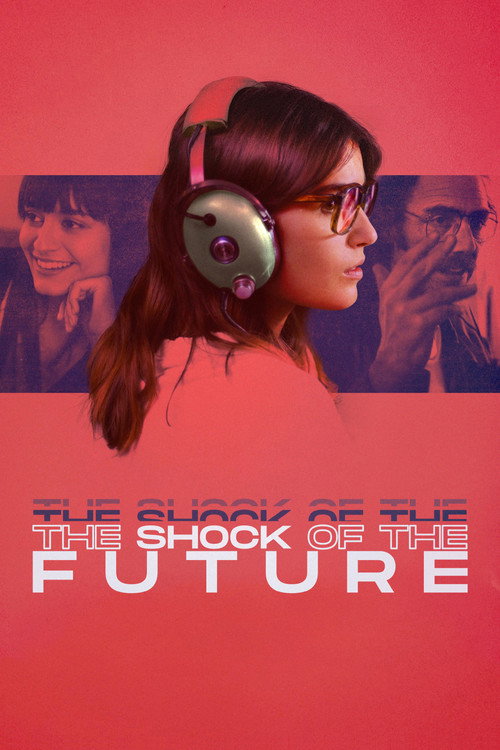
The film examines how individuals can overcome systemic barriers and disrupt traditional hierarchies. Its main strength lies in its gendered narrative that challenges the patriarchal structures of the 1970s creative industries. By presenting technological innovation as a tool for female empowerment, the story explores how individuals can reclaim professional space. However, the historical setting limits the scope, and there is no explicit representation of LGBTQ+ identities or racial diversity.
Category Breakdown
The film does not explicitly address LGBTQ+ identities or queer relationships. The narrative focuses on professional challenges in the music industry rather than sexual orientation.
The film centers around a woman who uses technology to challenge a male-dominated industry. She is shown as a key driver of cultural change rather than a passive participant.
The setting is historical Paris, but there is no confirmation of a diverse cast. The score emphasizes the European music scene of the time.
The story focuses on disrupting established industry norms. It portrays the future of music as a challenge to conservative, traditionalist hierarchies.
There is no evidence of physical or neurodivergent disabilities being portrayed in this work.
Present on Screen
Limited or Absent
Official Synopsis
Paris, 1978. In a male-dominated music industry, Ana uses new electronic machines to make herself heard, thus creating a new sound that is destined to mark the decades to come: the music of the future.
2020

2013

2024

2013
2015
2020

2022
2012
No reviews yet. Be the first to share your thoughts on this movie!
Use the rating form above to leave a star rating and optional review.