
A Hole in the Head
2020
No user ratings available yet
Diversity score: 5.5 out of 10
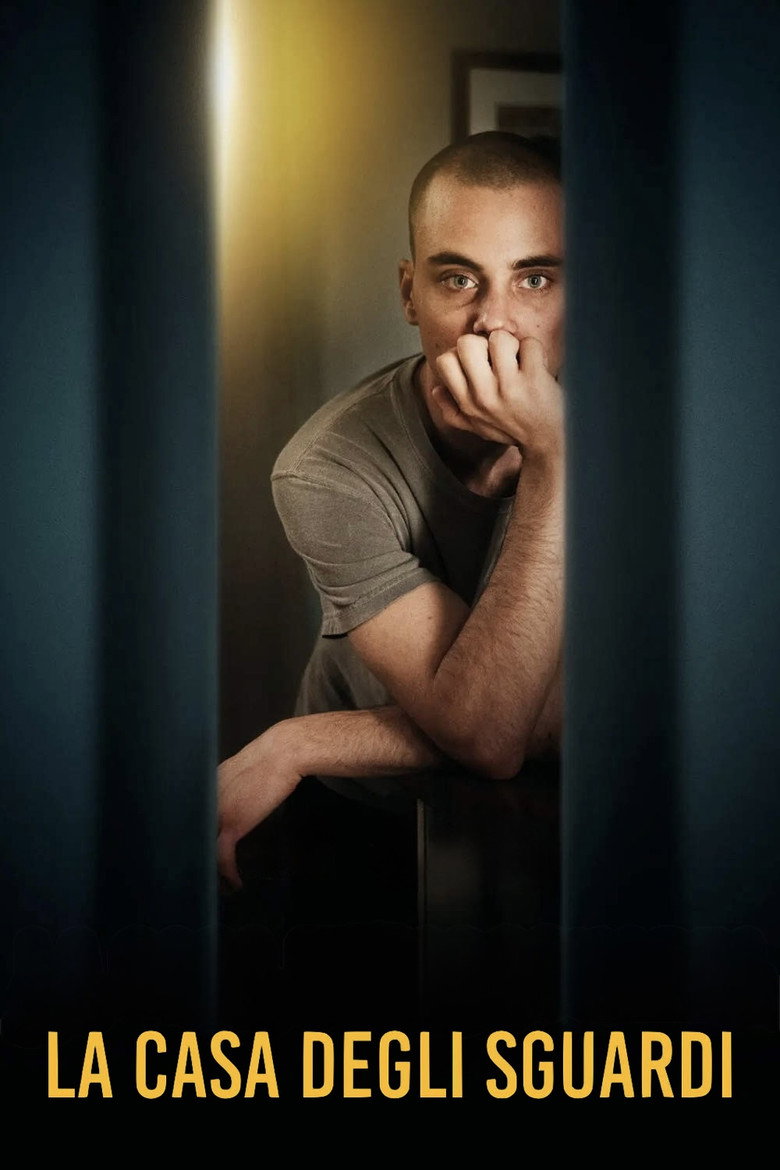
2025
Director
Luca Zingaretti
Runtime
109 minutes
Average Rating
No ratings yetSynopsis
20-year-old Marco is remarkably attuned to the suffering of people everywhere. He writes poetry but turns to drugs and drink to achieve “the forgetting”, that unconscious state that is impenetrable to his existential angst and other fears. He’s fleeing pain but above all, he’s fleeing from himself. When he goes to work for the cleaners’ cooperative at Bambin Gesù Hospital, he’s sure that this experience, the contact with sick children, will be the death of him.
Overall Score
Fair
Category Breakdown
LGBTQ+ Representation
The film lacks explicit mention of LGBTQ+ characters or non-heteronormative identities. The narrative focuses primarily on the protagonist's internal psychological state and his immediate environment.
Gender Representation
The story centers on Marco, a male protagonist whose conflict is defined by vulnerability rather than traditional masculine dominance. However, there is little evidence of significant female agency.
Racial & Ethnic Diversity
The setting suggests a narrative rooted in a localized European context. Representation appears to align with traditional Mediterranean casting patterns without evidence of significant racial blending.
Religious & Cultural Diversity
The film engages with themes of moral relativism and the deconstruction of stability. It prioritizes subjective emotional truth over institutional or religious optimism through its focus on suffering.
Disability Representation
The narrative emphasizes mental health struggles, including existential angst and substance dependency. The hospital setting also introduces themes of physical and chronic illness through contact with sick children.
Strengths
Areas for Improvement
AI Analysis
The House of Looks is a character-driven drama that finds its strength in psychological depth rather than demographic breadth. By centering on a protagonist defined by sensitivity and vulnerability, the film subverts traditional masculine archetypes. It moves away from stoic tropes to explore the heavy burden of empathy and the complexities of mental health. However, the film's scope remains relatively narrow. The narrative appears deeply rooted in a specific Mediterranean context, which limits racial and ethnic intersectionality. Without explicit evidence of diverse gendered agency or LGBTQ+ identities, the film functions as a localized, existentialist study rather than a broad social tapestry. Ultimately, the film succeeds as a nuanced exploration of the human condition, even if it lacks the demographic variety found in more intersectional works.
2020
2011
1996

2021

2020

2007

2024

2022
2019
2005
2013
2025
No reviews yet. Be the first to share your thoughts on this movie!
Use the rating form above to leave a star rating and optional review.