Becoming Animal
2018
No user ratings available yet
Representation score: 7.7 out of 10
Representation Score
Fair
2020
Director
Alessandro Cattaneo
Runtime
80 minutes
Average Rating
No ratings yetNew Showbiz Analysis
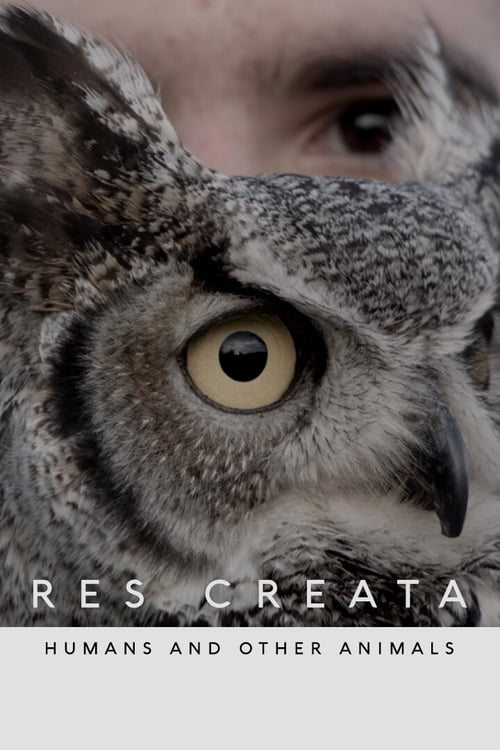
RES CREATA serves as a philosophical critique of human exceptionalism rather than a study of human social identities. It achieves depth by challenging the dominance of humankind and promoting a systemic, interconnected worldview. While the film does not focus on specific human-centric identity markers like LGBTQ+ or racial ability to act, it disrupts conventional expectations of human supremacy. Its emphasis on ecological perspectives offers a unique form of cultural representation. Ultimately, the documentary's strength lies in its anti-anthropocentric framework, though it leaves many human social dimensions unexplored.
Category Breakdown
The film explores interspecies relationships and ecological ideas but does not include explicit LGBTQ+ character arcs or themes related to queer theory.
The narrative emphasizes a post-humanist viewpoint that downplays traditional human hierarchies. However, the genders of the cited thinkers and the narrator are not confirmed.
The film's global and ecological focus suggests potential for diverse geographic perspectives. However, there is no specific mention of a non-white majority cast.
The film critiques traditional Western structures by presenting human dominance as a disruption of natural balance. It promotes a secular, interconnected view of life.
There is no information about the portrayal of neurodivergent individuals or those with physical disabilities in this work.
Present on Screen
Limited or Absent
Official Synopsis
Technological advances and cultural development have disrupted the balance between humankind and other animals. Instead of looking at similarities, we focus on differences. Coexistence has been replaced by dominance. We have forgotten that we live in a house that does not belong only to us. However, the ties between humans and other inhabitants of the animal kingdom have not been irreversibly broken. In his visual essay, which is both intimate and philosophical, Alessandro Cattaneo focuses specifically on those things that connect us. The statements of thinkers and idyllic shots of interspecies interactions indicate that if we change the way in which we think about animals, it will be beneficial for the entire ecosystem.
2018
2015
2021
2019
2022

2017
2023
2020
No reviews yet. Be the first to share your thoughts on this movie!
Use the rating form above to leave a star rating and optional review.