
My Step Dad: The Hippie
2018
No user ratings available yet
Representation score: 1.4 out of 10
Representation Score
Fair
2016
RDirector
Andrew Currie
Runtime
100 minutes
Average Rating
No ratings yetNew Showbiz Analysis
The film examines social fragmentation and nihilistic alienation. It avoids conventional character-driven arcs in favor of a postmodernist perspective on the erosion of communal structures and the breakdown of traditional Western institutions. While the film lacks intentional demographic diversity or multi-layered development, it succeeds in disrupting expectations of social cohesion. The narrative structure favors a landscape of subjective morality and social decay over established institutional values. Ultimately, the work is defined by its rejection of social norms rather than its representation of specific identity groups.
Category Breakdown
The film does not include any clear LGBTQ+ stories or characters who explore their gender identity. Social interactions follow typical heterosexual norms, without engaging with queer identities.
Gender dynamics are marked by disorganized and aggressive social interactions. The film breaks down the traditional family structure by showing chaotic and fragmented interpersonal relationships.
The film lacks significant racial or ethnic diversity. The cast appears largely homogeneous, reflecting a specific, localized socioeconomic demographic without intentional multi-ethnic representation.
The narrative challenges social order by focusing on characters who exhibit anti-social behavior. It critiques the effectiveness of traditional communal structures and familial stability.
There is no evidence of visible or invisible disabilities serving as central narrative drivers. Erratic behaviors stem from social alienation rather than neurodivergent or physical disability arcs.
Present on Screen
Limited or Absent
Official Synopsis
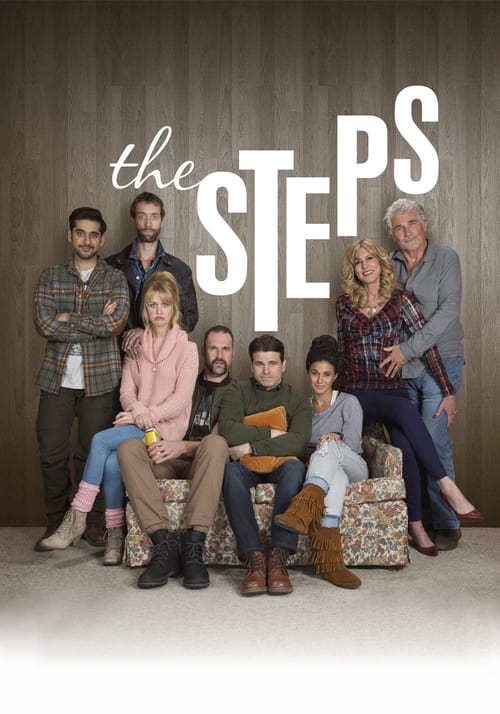
Siblings gather to meet their father's new wife and kids.
2018
2022

2024
1996

2019

2015

2005
2013
No reviews yet. Be the first to share your thoughts on this movie!
Use the rating form above to leave a star rating and optional review.