
How Beautiful is Michoacan!
1943
No user ratings available yet
Diversity score: 4.8 out of 10
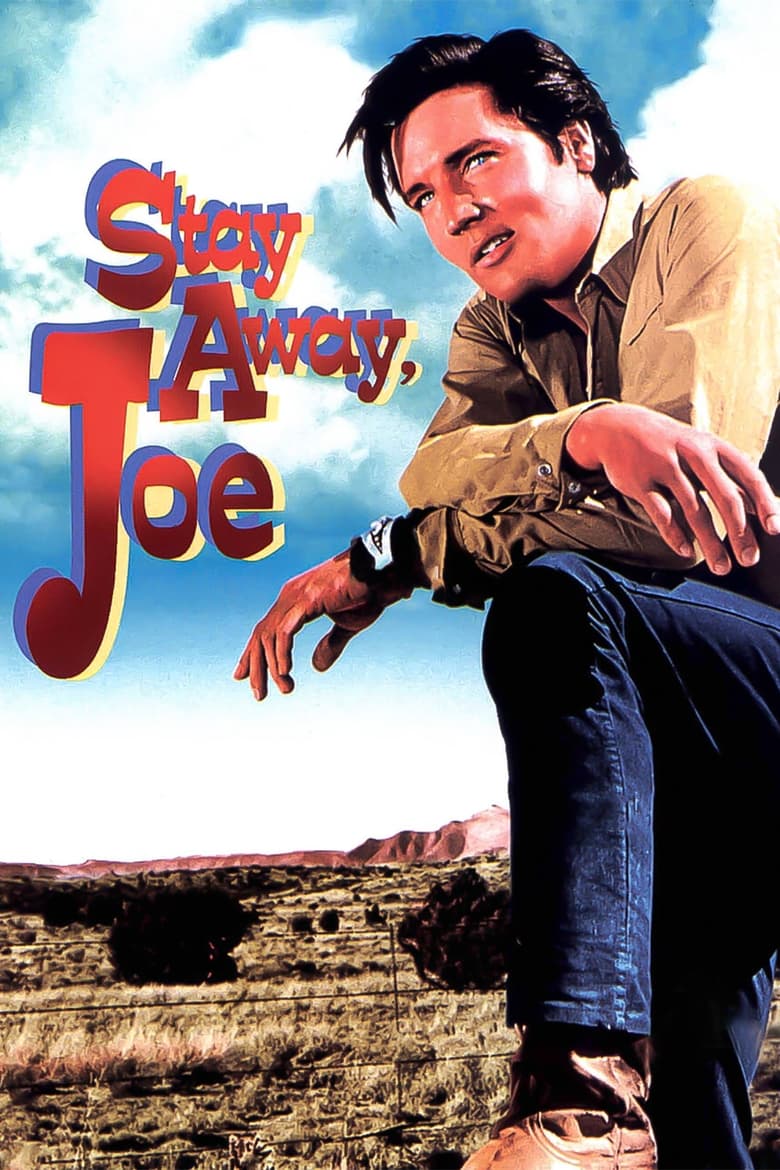
1968
PGDirector
Peter Tewksbury
Runtime
102 minutes
Average Rating
No ratings yetSynopsis
Joe Lightcloud persuades his Congressman to give him 20 heifers and a prize bull so he and his father, Charlie, can prove that the Navajos can successfully raise cattle on the reservation. If their experiment is successful, then the government will help all the Navajo people. But Joe's friend, Bronc Hoverty, accidentally barbecues the prize bull, while Joe sells the heifers to buy plumbing and other home improvements for his stepmother.
Overall Score
Limited
Category Breakdown
LGBTQ+ Representation
The film lacks any visible presence of non-cisnormative identities. Character dynamics remain centered within a traditional heteronormative framework.
Gender Representation
The story focuses on friction between male figures, specifically Joe and his father. Female characters, like the stepmother, appear primarily in domestic or supportive roles.
Racial & Ethnic Diversity
Navajo characters attempt to navigate government-sanctioned economic experiments. While providing Indigenous agency, the film leans toward traditional Western tropes and era-specific limitations.
Religious & Cultural Diversity
The film portrays adolescent aimlessness rather than critiquing Western institutions like religion or capitalism. It frames rebellion as personal rather than a systemic critique.
Disability Representation
There is no discernible representation of physical, sensory, or neurodivergent disabilities within the primary character arcs.
Strengths
Areas for Improvement
AI Analysis
Stay Away, Joe is a traditional character study centered on adolescent rebellion. While the plot grants Navajo protagonists agency through their pursuit of economic self-sufficiency, the film remains tethered to 1960s cinematic structures. The narrative focuses heavily on male-centric dynamics and traditional Western tropes. It lacks significant representation of LGBTQ+ identities or disability, keeping the scope narrow and conventional. Ultimately, the film explores individual struggle against societal expectations rather than deconstructing systemic hierarchies or cultural politics.
No reviews yet. Be the first to share your thoughts on this movie!
Use the rating form above to leave a star rating and optional review.