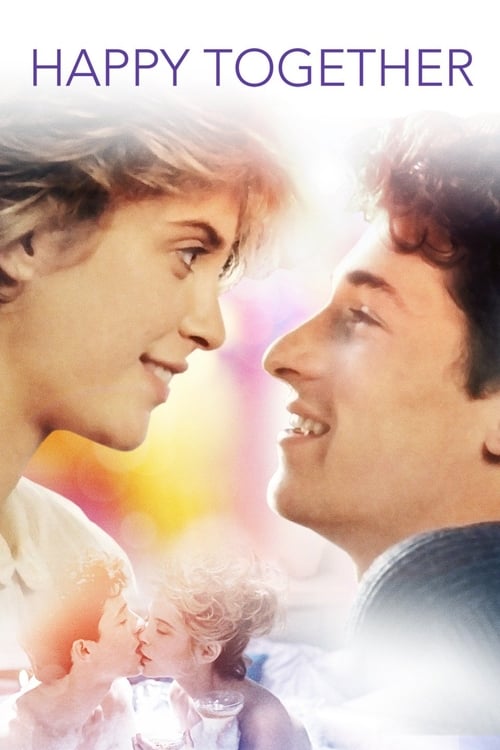
Happy Together
1989
No user ratings available yet
Representation score: 2.9 out of 10
Representation Score
Fair
1989
RDirector
Damian Harris
Runtime
95 minutes
Average Rating
No ratings yetNew Showbiz Analysis
The film primarily serves as a character study within a traditional demographic framework. It lacks meaningful representation of diverse identities, focusing instead on the psychological landscape of a specific academic social class. While the casting and social dynamics are largely homogeneous, the film delves into subjective truth and moral relativism through its postmodern narrative structure. It challenges objective morality by centering a protagonist who frequently crosses social boundaries. Ultimately, the work offers a nuanced exploration of human obsession and identity formation, even if it does not disrupt traditional gender roles or offer diverse representation.
Category Breakdown
The film focuses on a conventional heterosexual relationship without showing any visible LGBTQ subtext or non-cisgender identities in the main characters.
The story revolves around a male writer's intense interest in a female muse. While it criticizes his intrusive behavior, the female character remains more as an object of his fixation than a proactive participant.
The cast is mainly white, reflecting the demographics of an academic Oxford environment. The story centers on the inner world of the Anglo-Saxon academic community.
The film employs a postmodern narrative structure that prioritizes personal truth over universal morality. It portrays the protagonist's obsessive actions through his own biased perspective.
There is no significant portrayal of visible or invisible disabilities. The protagonist's emotional instability is depicted as a characteristic of obsession rather than a nuanced look at neurodivergence.
Present on Screen
Limited or Absent
Official Synopsis
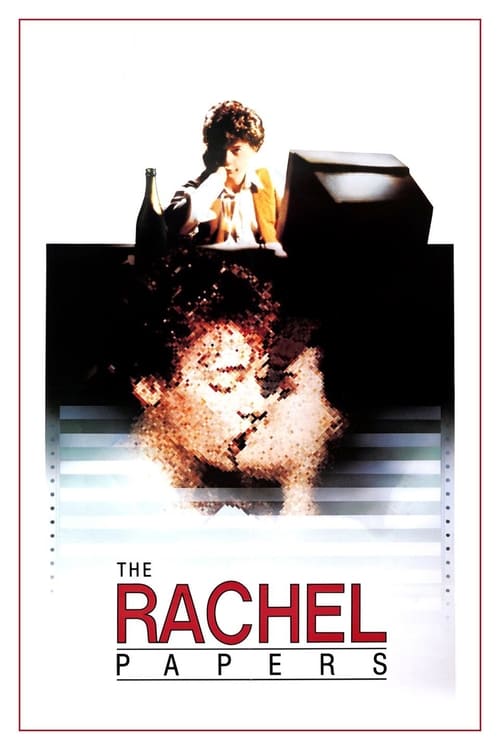
Poised to attend Oxford University, 19-year-old Charles Highway decides it's high time to have a romantic encounter with an older woman. With the help of a computer program and several eccentric relatives, Highway sets his sights on seducing Rachel Noyce, a stunning American in her 20s. However, Highway has his work cut out for him. Noyce has a boyfriend, DeForest, and is not exactly receptive to Highway's advances — at first, anyway.
1989

1990

1979

2000
1994
1998

2011

2006
No reviews yet. Be the first to share your thoughts on this movie!
Use the rating form above to leave a star rating and optional review.