After My Death
2018
No user ratings available yet
Representation score: 4.7 out of 10
Representation Score
Fair
2022
Director
Kim Ji-hoon
Runtime
111 minutes
Average Rating
No ratings yetNew Showbiz Analysis
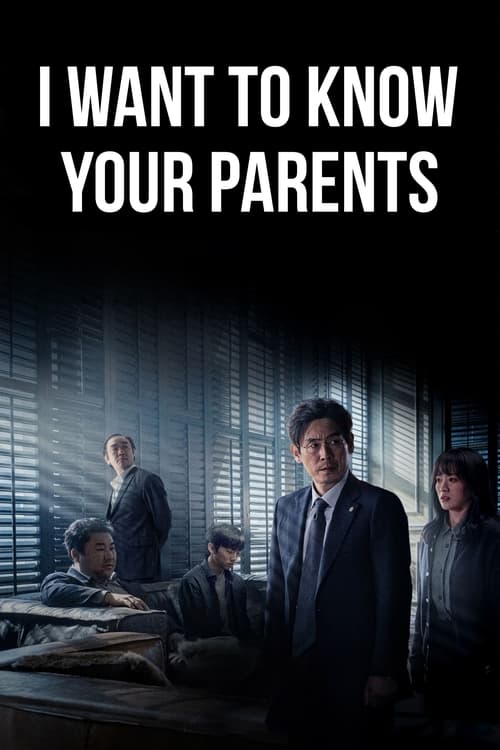
I Want to Know Your Parents is a heavy social critique that shifts the focus from student bullying to the systemic failures of adult figures. It moves away from simple moral tales to explore how social hierarchies and institutional pressures shape human behavior. The film excels at deconstructing the sanctity of the family unit. By framing parents as combatants in a struggle over a deceased child's will, it exposes the cracks in traditional social cohesion and the intergenerational transmission of status. However, the film's scope is culturally localized. While it offers deep insight into South Korean social dynamics, it lacks broader racial diversity and provides no visible representation for LGBTQ+ or disabled characters.
Category Breakdown
The film does not include any visible representation of LGBTQ+ characters or narratives. There are no characters with non-traditional gender identities or sexual orientations.
Gender dynamics revolve around the conflict between parents. The narrative challenges traditional gender roles by shifting control over the story among the parents.
As a South Korean production, the film focuses on internal social divisions rather than showcasing diverse ethnic backgrounds.
The story critiques traditional institutions such as the family and school. It dismantles the 'ideal family' concept by depicting social structures as sites of systemic dysfunction.
There is no explicit focus on physical or neurodivergent disabilities. However, the theme of victimization suggests an exploration of psychological trauma and social isolation.
Present on Screen
Limited or Absent
Official Synopsis
An eighth grade student kills himself but not before writing the names of the students who victimized him. Their parents are called into the school and a battle goes on regarding the will.
2018

2018

2013

2021

2025

2006

2022
2022
No reviews yet. Be the first to share your thoughts on this movie!
Use the rating form above to leave a star rating and optional review.