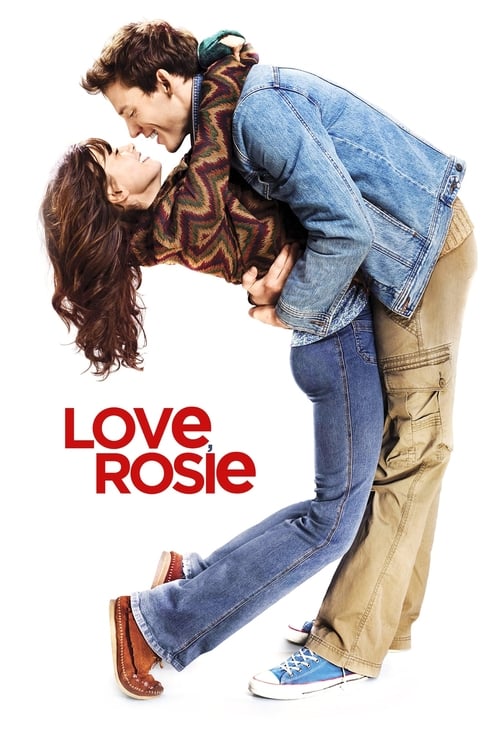
Love, Rosie
2014
No user ratings available yet
Representation score: 1.6 out of 10

Representation Score
Limited
2000
PG-13Director
Robert Iscove
Runtime
94 minutes
Average Rating
No ratings yetNew Showbiz Analysis
Boys and Girls is a conventional romantic comedy that relies heavily on established genre clichés. The story focuses on the interpersonal friction between two protagonists, prioritizing a streamlined romantic arc over social complexity. The film functions within a very narrow demographic lens. By centering a homogeneous cast and a traditional heterosexual relationship, it avoids the multi-layered depth found in more modern storytelling. Ultimately, the film reinforces existing social hierarchies rather than challenging them. It serves as a period-typical genre piece that favors predictable character dynamics over diverse or inclusive representation.
Category Breakdown
The film centers on a traditional heterosexual romance and does not include queer narratives or non-cisgender gender identities, sticking to the conventions of turn-of-the-millennium comedies.
Characters follow traditional gender roles, with an uptight male lead and a free-spirited female foil. While there is some nuance, the film does not challenge established gender hierarchies or give much weight to the roles of individual characters.
The main cast lacks significant racial or ethnic diversity. The story focuses on a homogeneous social environment without incorporating meaningful characters who reflect more than one aspect of diversity.
The story operates within a standard Western adolescent framework. It emphasizes traditional social milestones without engaging with diverse cultural philosophies or institutional critiques.
There is no evidence of physical or invisible disabilities integrated into the character arcs. The narrative does not explore neurodivergence or disability as part of social identity.
Present on Screen
Limited or Absent
Official Synopsis
Ryan and Jennifer are opposites who definitely do not attract. At least that's what they always believed. When they met as twelve-year-olds, they disliked one another. When they met again as teenagers, they loathed each other. But when they meet in college, the uptight Ryan and the free-spirited Jennifer find that their differences bind them together and a rare friendship develops.
2014
1986
1971
1988
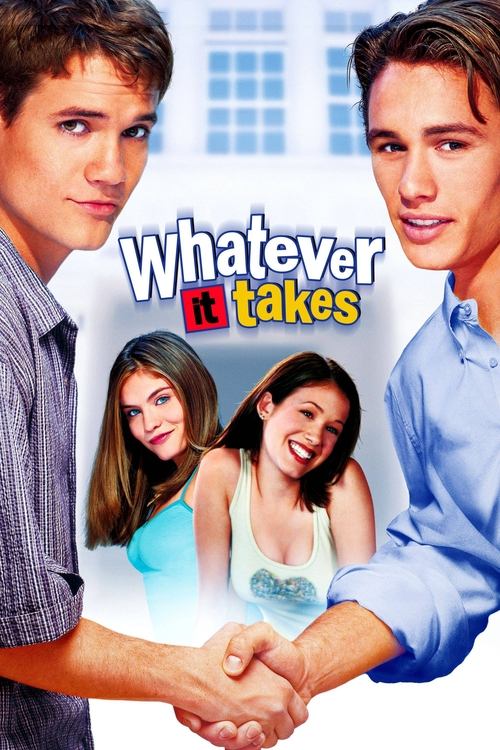
2000
1983
1999

1985
No reviews yet. Be the first to share your thoughts on this movie!
Use the rating form above to leave a star rating and optional review.