Madhura Manohara Moham
2023
No user ratings available yet
Representation score: 2.9 out of 10
Representation Score
Fair
2019
Director
Ashwin Shetty
Runtime
95 minutes
Average Rating
No ratings yetNew Showbiz Analysis
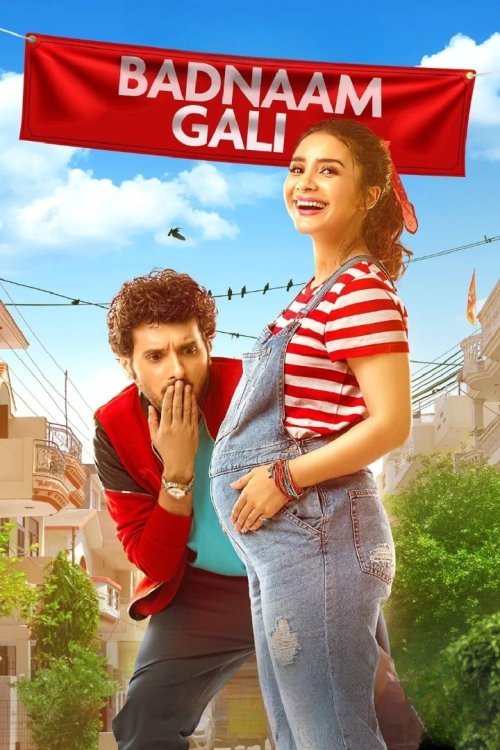
Badnaam Gali explores themes of social non-conformity by centering a protagonist who exists independently of traditional male-driven hierarchies. The film uses a judgmental community to highlight the tension between individual autonomy and societal surveillance. While the film succeeds in challenging traditional gender roles and including regional ethnic identities, it lacks explicit LGBTQ+ representation or depictions of disability. The narrative's strength lies in its critique of the 'moral gaze' found in conventional social structures. Ultimately, the film offers a meaningful look at a woman navigating a restrictive environment, though its broader diversity remains limited to specific ethnic and gender-based themes.
Category Breakdown
The film challenges the idea that everyone lives in traditional heterosexual relationships by focusing on a woman living independently without male companionship. However, there is no explicit depiction of LGBTQ+ identities or relationships.
The story centers around a pregnant woman navigating life without male companionship or marriage. This shifts the focus away from traditional male protectors and highlights the female experience.
The narrative includes a specific cultural layer through Patralekhaa, a Bengali surrogate living in Delhi. This adds a regional ethnic identity beyond a monolithic portrayal.
The film critiques traditional social institutions and the moral policing of residential communities. It portrays society as a restrictive mechanism that scrutinizes non-conforming individuals.
There is no mention of characters navigating physical, neurodivergent, or mental health disabilities within the narrative.
Present on Screen
Limited or Absent
Official Synopsis
A single pregnant woman living without her husband or any man, alone, in a society of people where everyone questions her character and mysterious lifestyle. Reluctantly, Divyendu Sharma finds himself involved in her life. His aunt, played by Dolly Ahluwalia, is a woman who lives in Badnaam lane (name of the residential complex in Delhi) and keeps track of the society she lives in and keeps her nephew informed about the whereabouts of its residents, particularly the Bengali surrogate woman, Patralekhaa.
2023

2017
2018
2021
2008
2020
1989
2021
No reviews yet. Be the first to share your thoughts on this movie!
Use the rating form above to leave a star rating and optional review.