Find another title
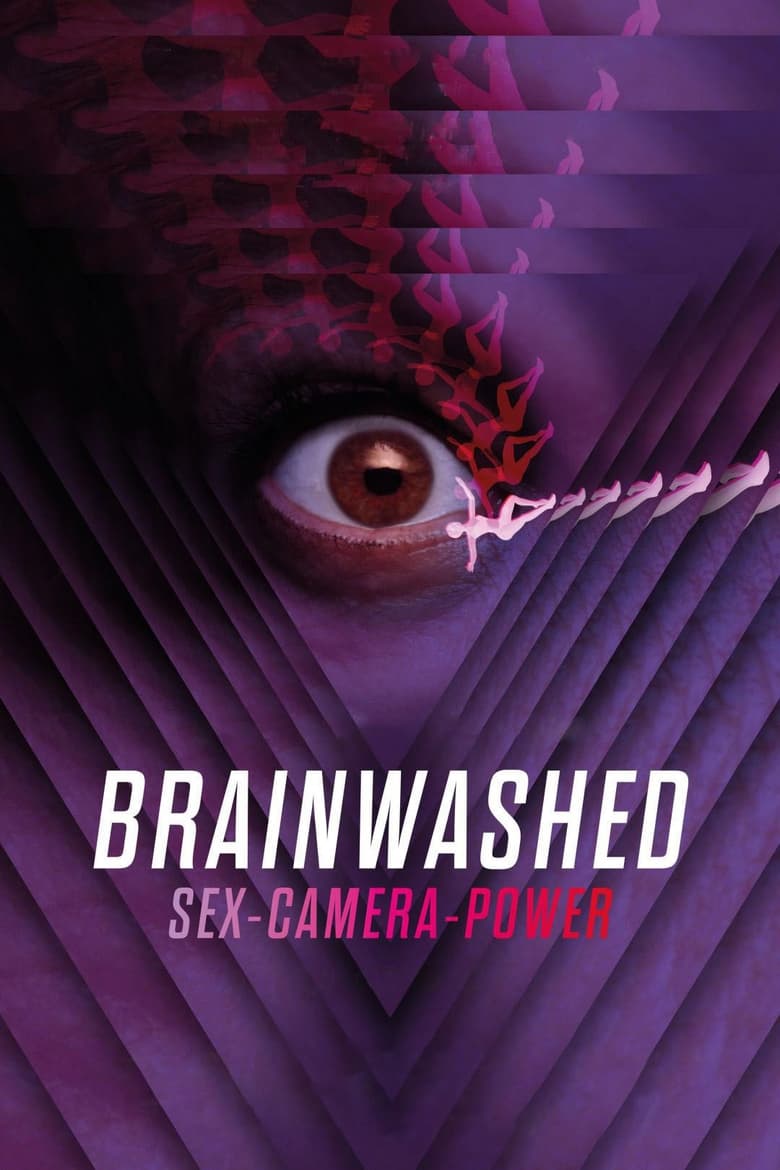
Brainwashed: Sex-Camera-Power
2022
Director
Nina Menkes
Runtime
107 minutes
Average Rating
No ratings yetSynopsis
Investigates the politics of cinematic shot design, and how this meta-level of filmmaking intersects with the twin epidemics of sexual abuse/assault and employment discrimination against women, with over 80 movie clips from 1896 - 2020.
Where to Watch
Diversity & Representation
Overall Score
Good
Category Breakdown
LGBTQ+ Representation
The film critiques heteronormative power dynamics and the male gaze, which inherently touches on structures marginalizing non-cisnormative identities. However, it lacks explicit LGBTQ+ character arcs or specific identity-focused narratives.
Gender Representation
This work offers an exceptional critique of patriarchal structures and how cinematography facilitates sexual assault. It disrupts hierarchies by interrogating how women are visually and economically subjugated within the industry.
Racial & Ethnic Diversity
The analysis focuses heavily on gendered aspects of shot design. While archival clips span a century, there is little evidence of a specific emphasis on intersectional racial dynamics.
Religious & Cultural Diversity
The film adopts a posture of moral relativism toward Western institutional power. It prioritizes deconstructing oppressive cinematic traditions over celebrating established media institutions.
Disability Representation
There is no specific evidence regarding the portrayal of physical or neurodivergent disabilities within the film's framework.
Strengths
- Provides a profound interrogation of how visual language reinforces gendered power imbalances.
- Challenges the perceived neutrality of the camera as a political tool.
- Offers a rigorous deconstruction of patriarchal structures within the film industry.
Areas for Improvement
- Lacks explicit focus on intersectional racial dynamics or Anglo-centric tropes.
- Provides limited evidence regarding the representation of physical or neurodivergent disabilities.
- Does not feature specific character arcs for LGBTQ+ identities.
AI Analysis
Nina Menkes delivers a rigorous, meta-cinematic critique that moves beyond surface-level inclusion. By examining over a century of film clips, the documentary deconstructs how the technical 'shot' can be weaponized to reinforce gendered power imbalances and systemic harm. The film's primary strength is its deep interrogation of patriarchal structures and the politics of the cinematic gaze. It successfully frames filmmaking techniques as political acts rather than neutral artistic choices. However, the scope remains somewhat narrow. While it powerfully addresses gendered subjugation, it lacks clear evidence of intersectional racial analysis or specific representation for LGBTQ+ and disabled communities.
Rate this Movie
Reviews
No reviews yet. Be the first to share your thoughts on this movie!
Use the rating form above to leave a star rating and optional review.